3 min read
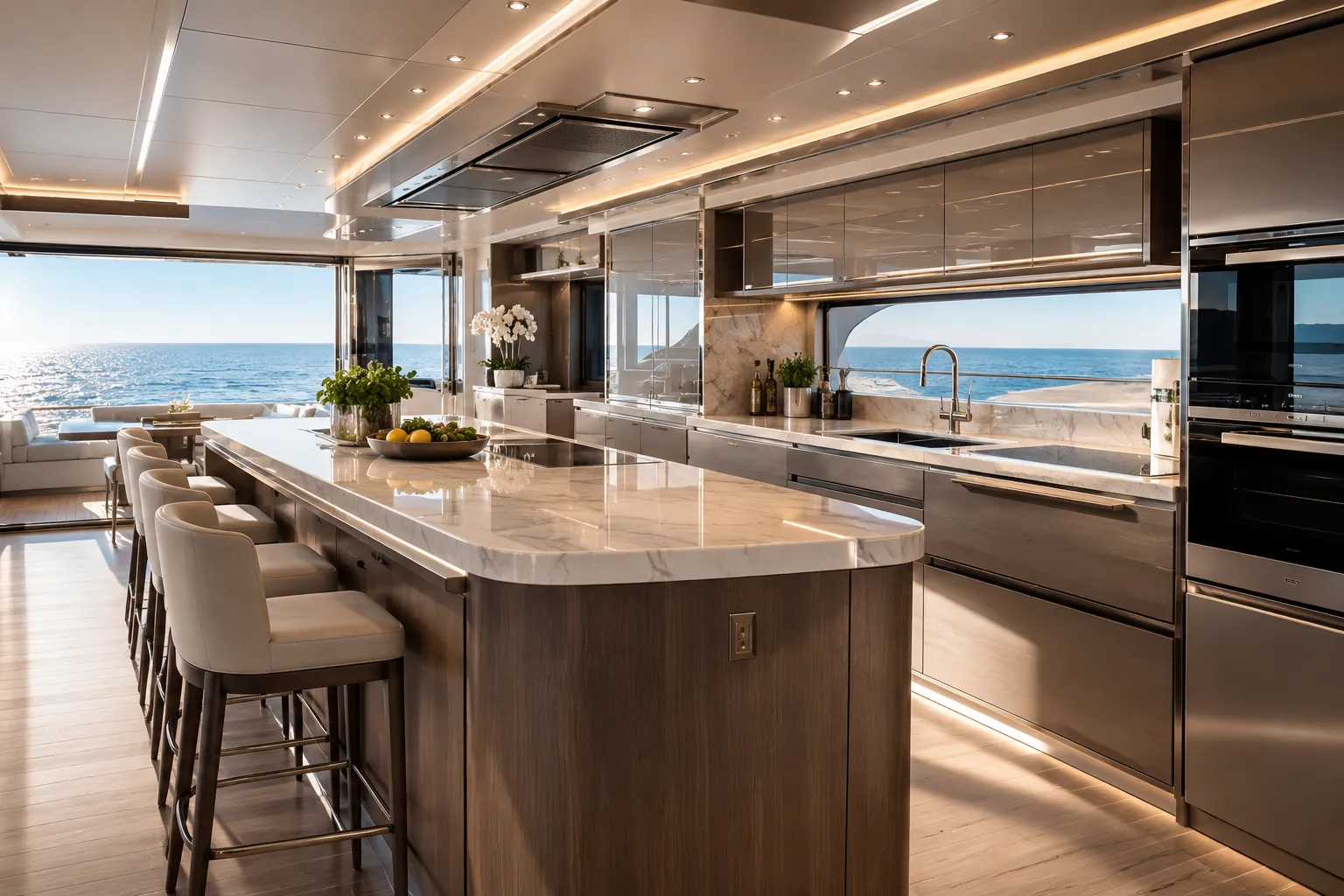
the galley nobody sees
Guests rarely think about the galley at all, which is precisely the point — and precisely why it's one of the hardest spaces on a yacht to design well. A galley that's working properly is invisible.
Read more →A yacht interior is not a room — it is a considered environment. Every material must perform in conditions that would expose a purely decorative specification within a season. Every spatial decision shapes how life onboard actually feels. This section explores the thinking behind the spaces: design philosophy, material intelligence, and the process of building interiors that endure.
Guests rarely think about the galley at all, which is precisely the point — and precisely why it's one of the hardest spaces on a yacht to design well. A galley that's working properly is invisible.
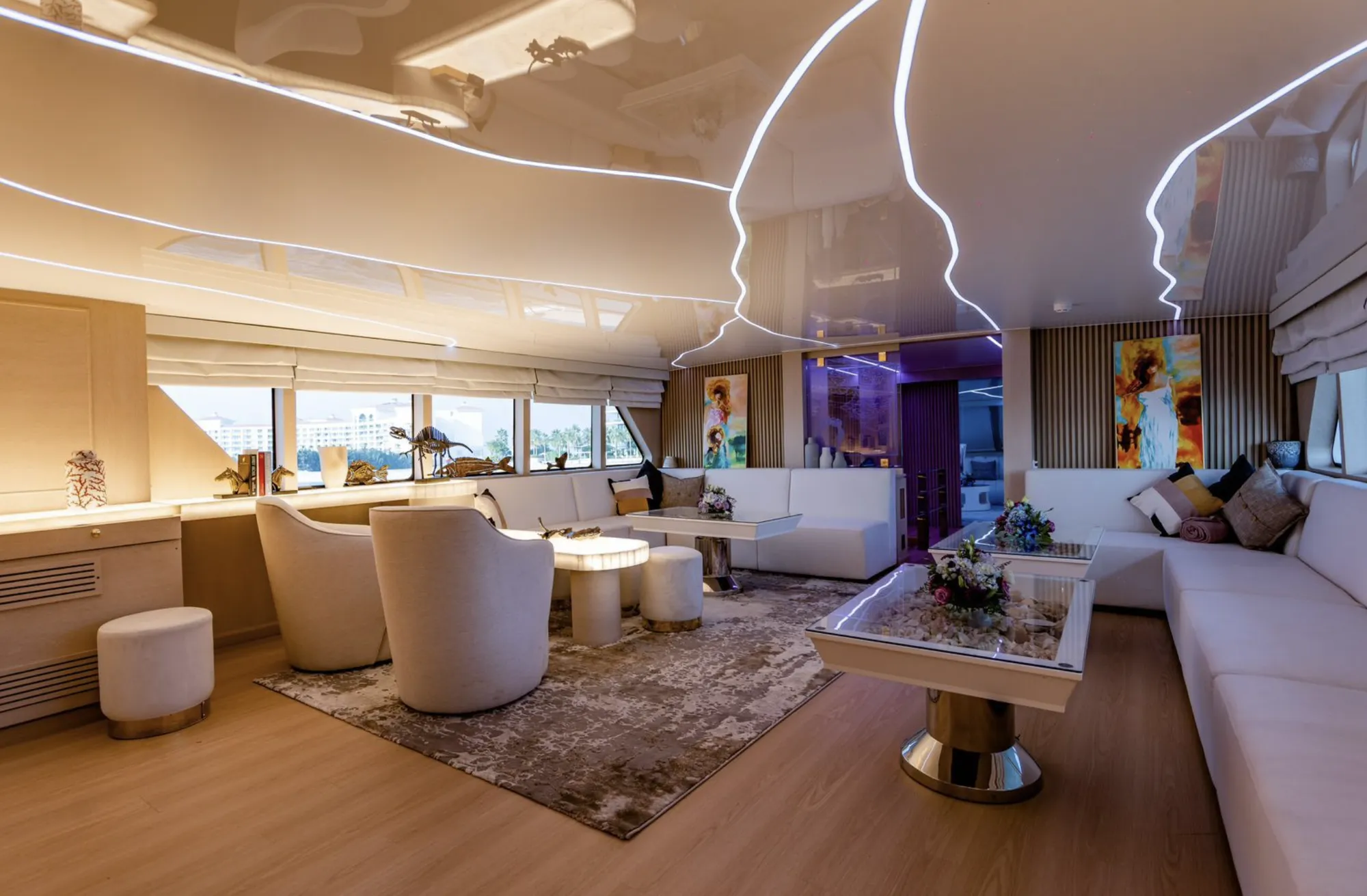
Read more →Rule 06 in the studio's own published design philosophy states it plainly: lighting has evolved from a finishing layer into a primary spatial tool. Worth unpacking what that actually means in practice, because the phrase is easy to nod along with and easy to under-implement.
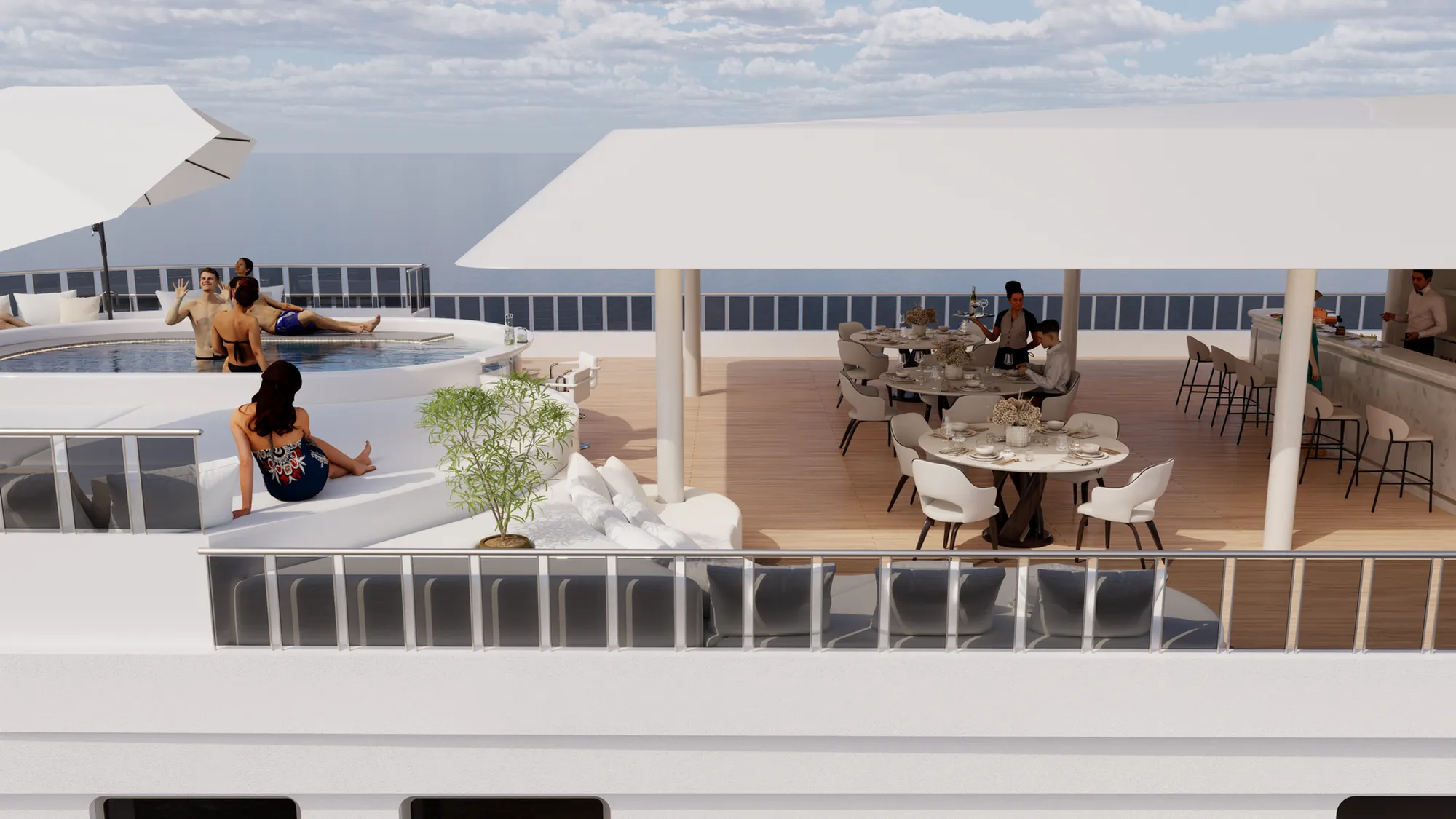
Read more →For most of yachting history, the stern was where the work happened. Tenders were stowed there, lines were handled there, crew moved through it constantly — it was infrastructure, not experience.
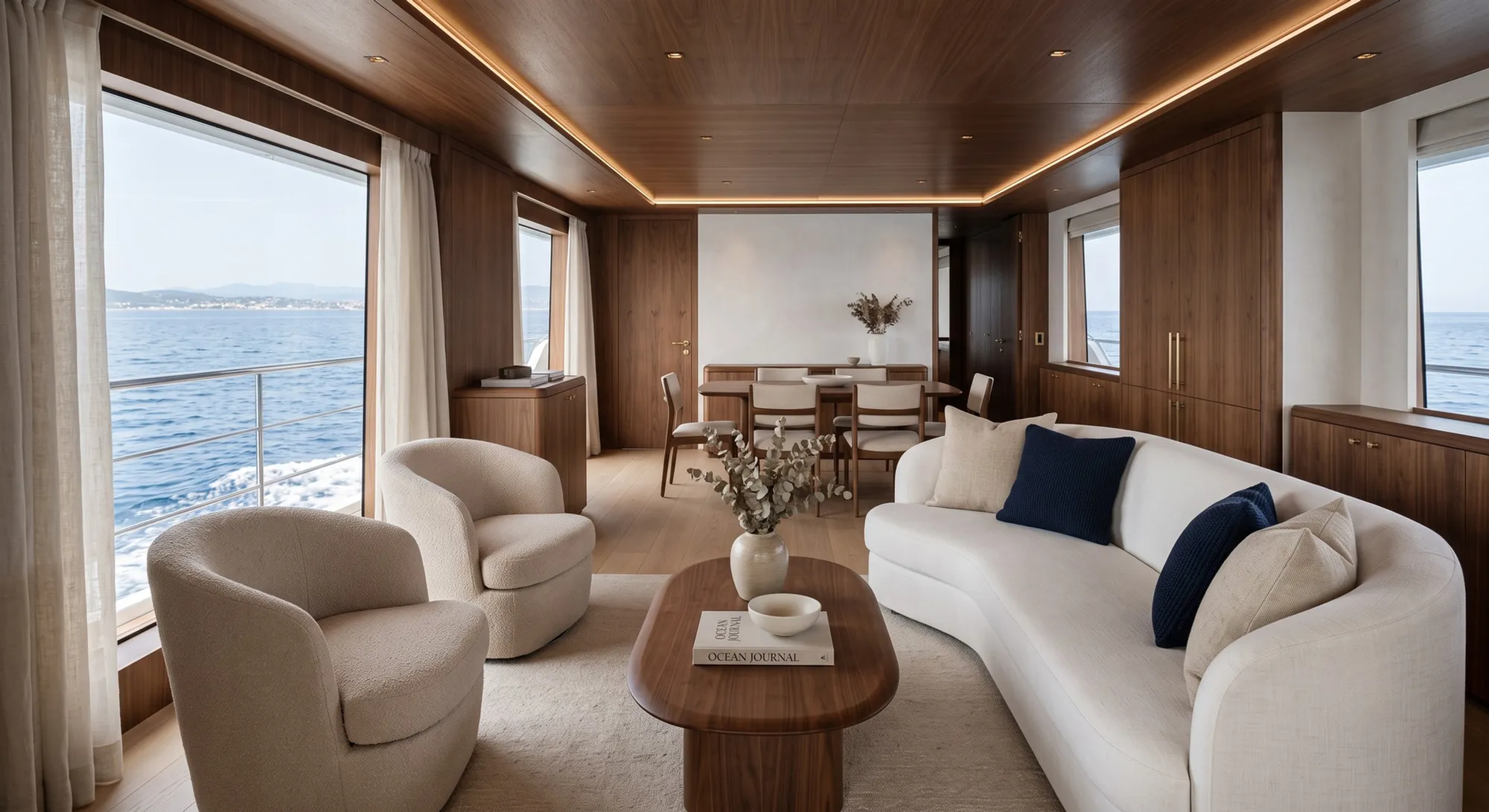
Read more →Owners are asked to describe what they want long before they have the vocabulary to do it. "Modern" and "classic" get used constantly in early briefing conversations, but they mean different things to almost everyone who says them.
Read more →I am often asked what we actually do — what happens between the first conversation and the moment an owner steps aboard a finished interior. The honest answer is that most of the work is invisible by design.
Read more →Every yacht has a social heart — the salon where guests gather and life onboard unfolds. But tucked away from the bustle of the vessel lies a very different space: the owner’s suite.
Read more →