yacht interior design styles, explained
Owners are asked to describe what they want long before they have the vocabulary to do it. “Modern” and “classic” get used constantly in early briefing conversations, but they mean different things to almost everyone who says them. A shared vocabulary is useful — not because a yacht interior needs to fit neatly into one category, but because knowing the categories makes it easier to say what you actually want, and easier for a designer to hear it correctly.
Heritage, or classic. This is the style most people picture first when they hear “yacht interior” — wood paneling, brass hardware, deep upholstery, a sense of craft that predates the vessel itself. Done well, it draws on the same architectural language as a well-built library or a good hotel bar: warm veneers, symmetry, moldings that catch light rather than shout for attention. Done badly, it tips into pastiche — reproduction brass, faux nautical motifs, a theme rather than a feeling. The difference is almost always in restraint. A heritage interior that works has one or two genuinely fine materials doing the talking, not a dozen decorative gestures competing for the eye.
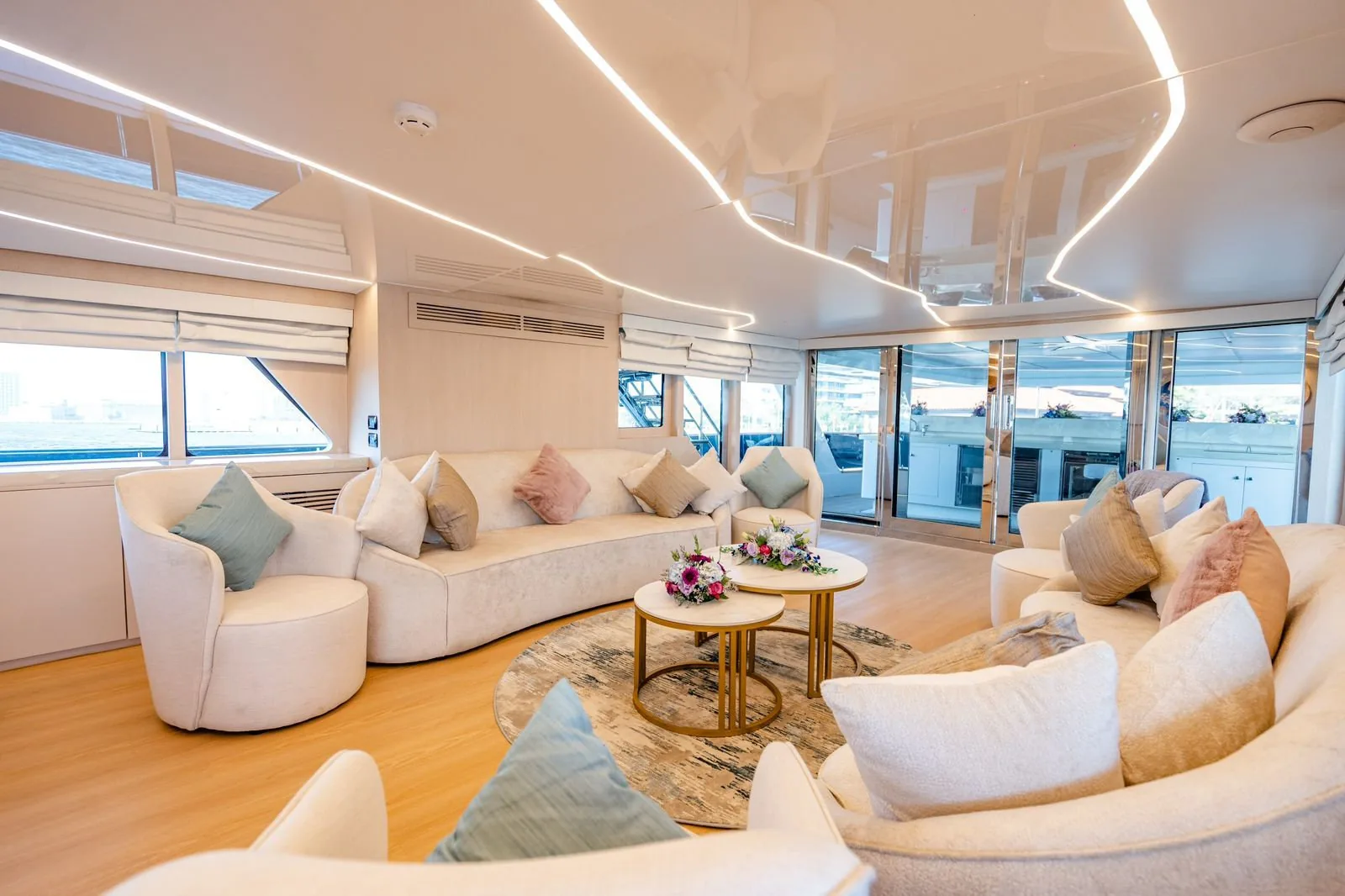
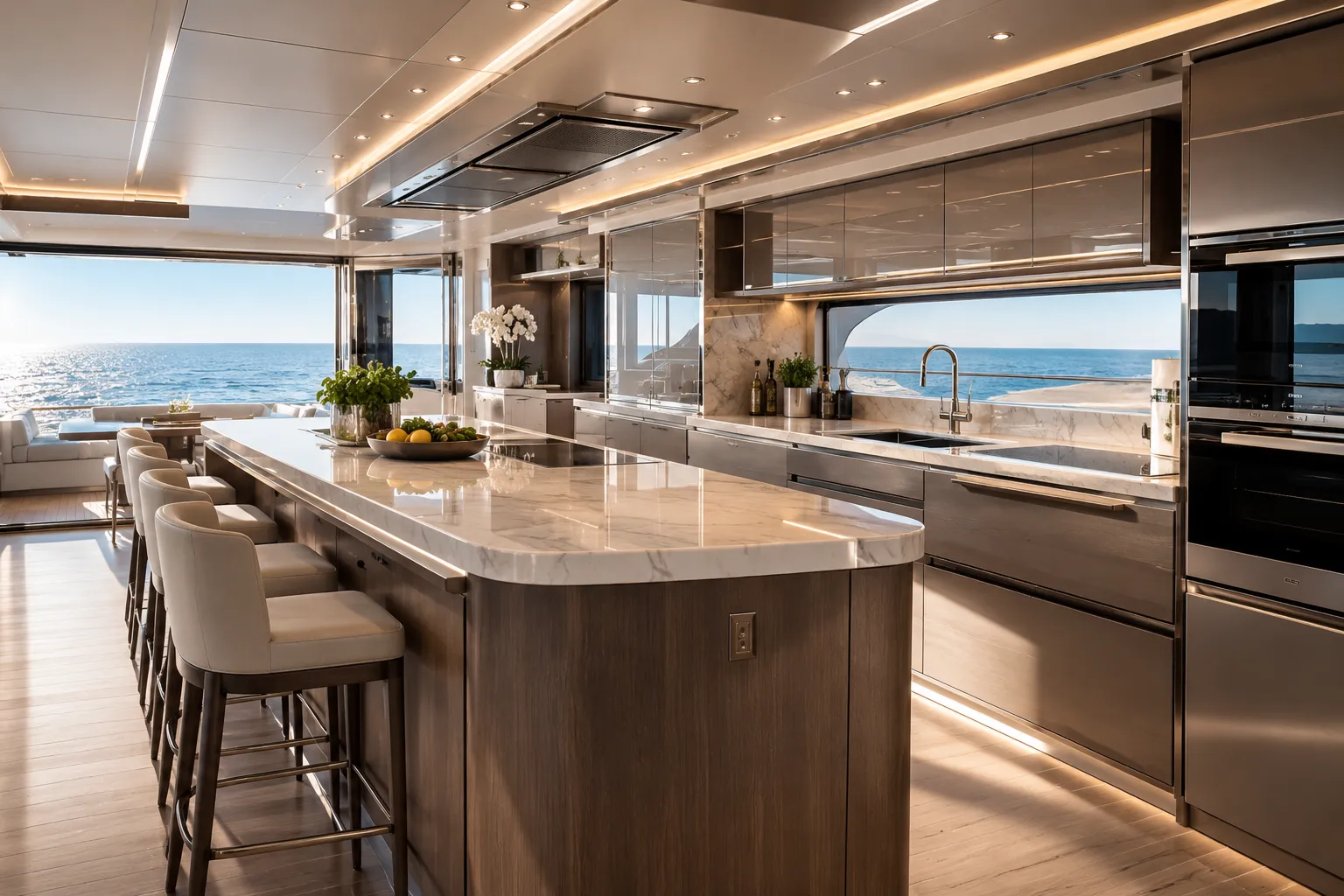
Contemporary minimalism. The opposite instinct — clean lines, quiet palettes, glass and light doing most of the work. It’s easy to mistake this style for the absence of design, but the opposite is usually true. Minimalist interiors demand more precision, not less: a seam has nowhere to hide, a proportion has to be exactly right because there’s no ornament to distract from it if it isn’t. Owners drawn to this style tend to want the yacht to disappear a little, so the ocean outside the window can do more of the work. It’s a demanding style to execute and an easy one to get slightly wrong — the margin for error is smaller than it looks.
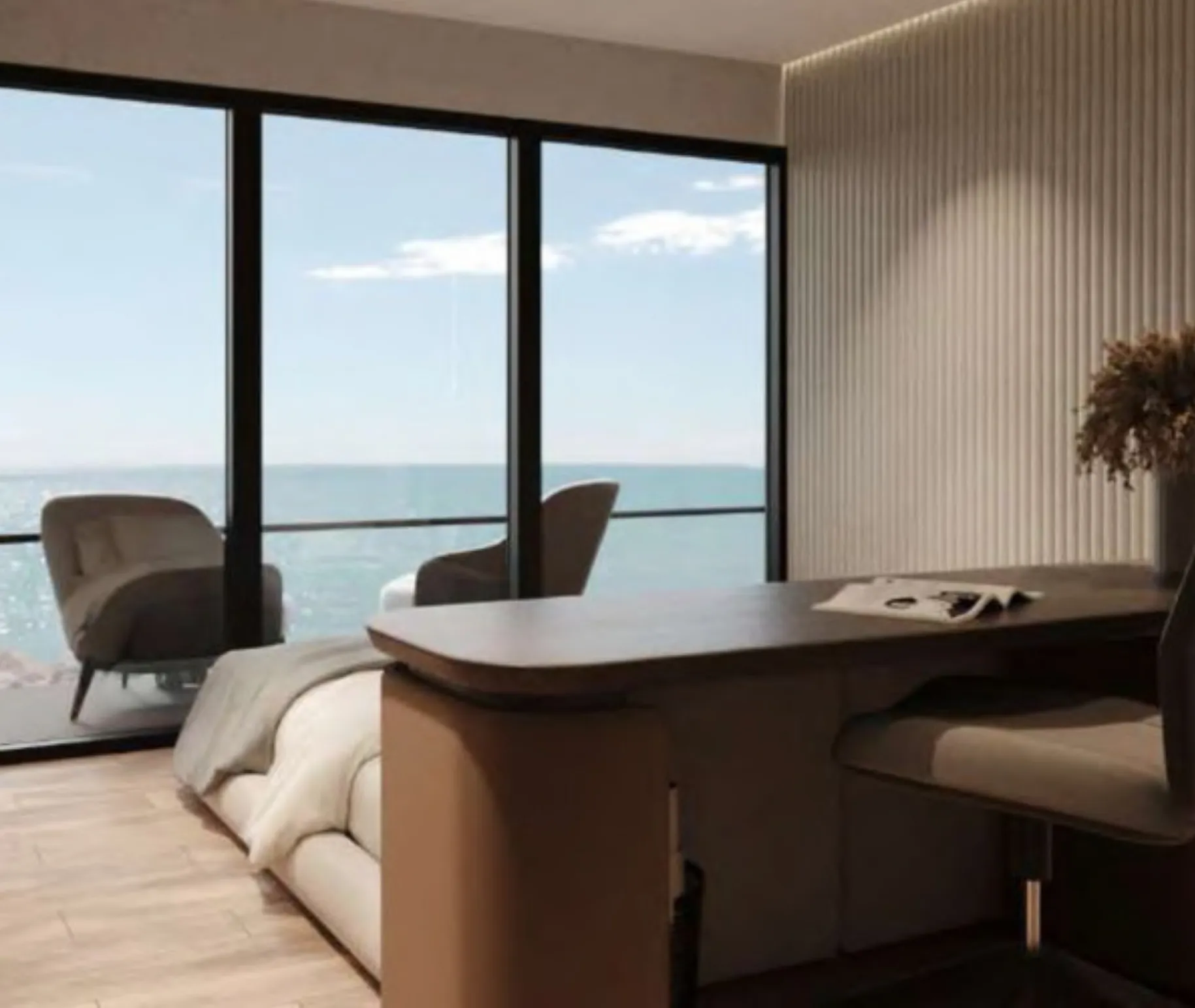
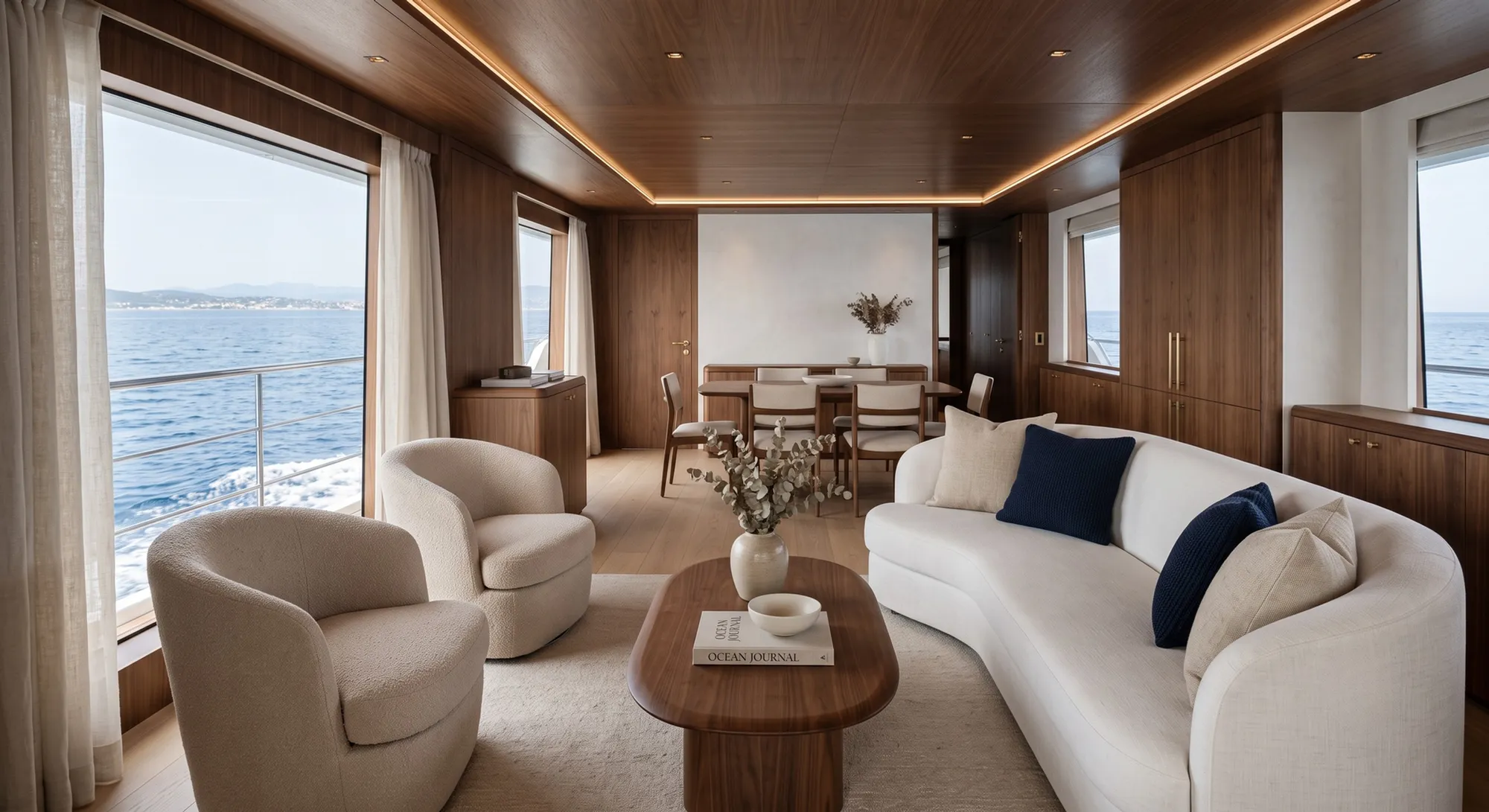
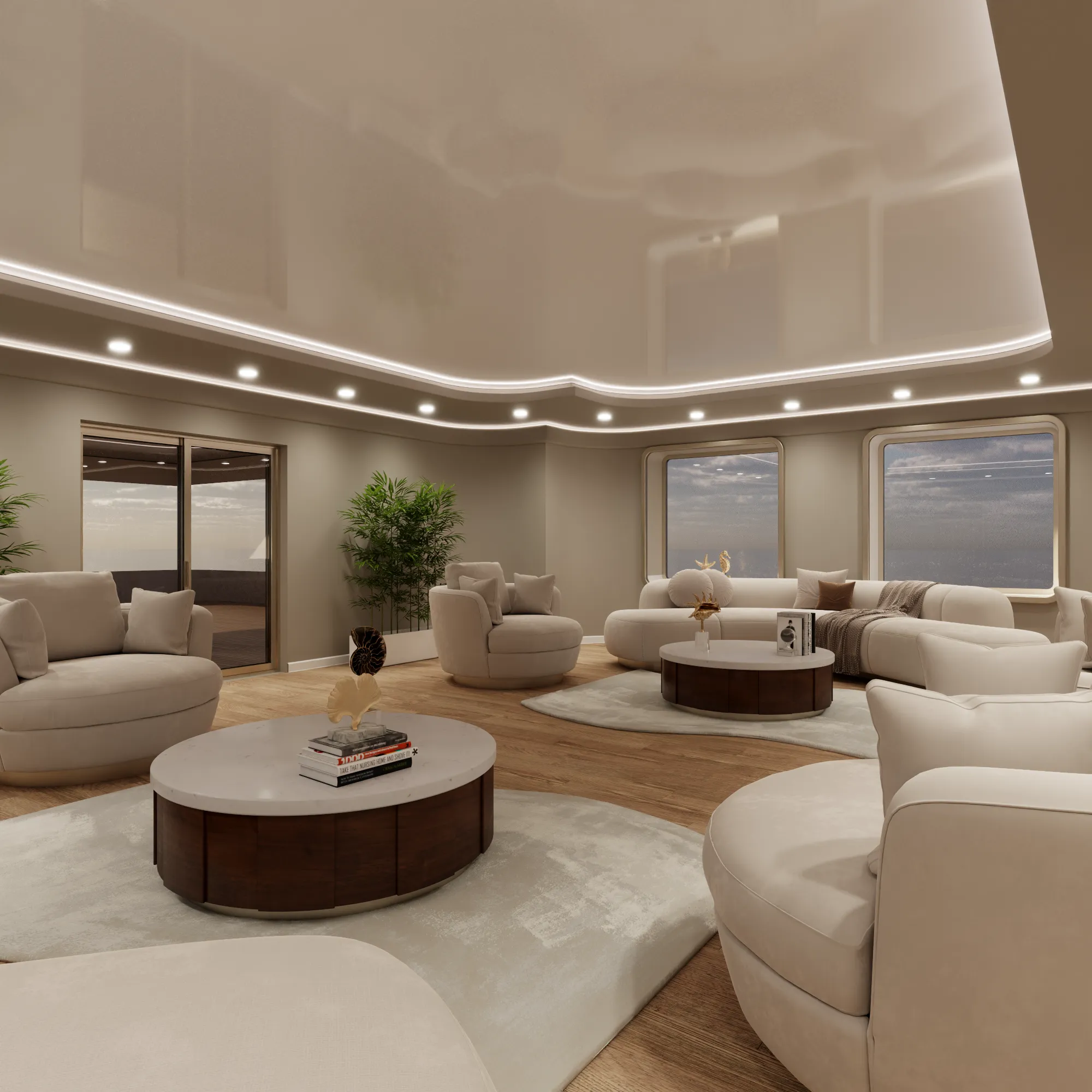
Modern classic, or transitional. Most owners, when they actually see finished interiors side by side, land somewhere between the first two — and this middle ground has its own name for a reason, not because designers couldn’t decide. It borrows the warmth and proportion of heritage design (walnut, brushed brass, tonal upholstery) but drops the density: fewer moldings, lighter palettes, more breathing room. It’s the style most likely to age well over a decade of ownership, because it doesn’t commit hard to a single era or aesthetic position — it’s built to be lived in rather than photographed once and left alone.
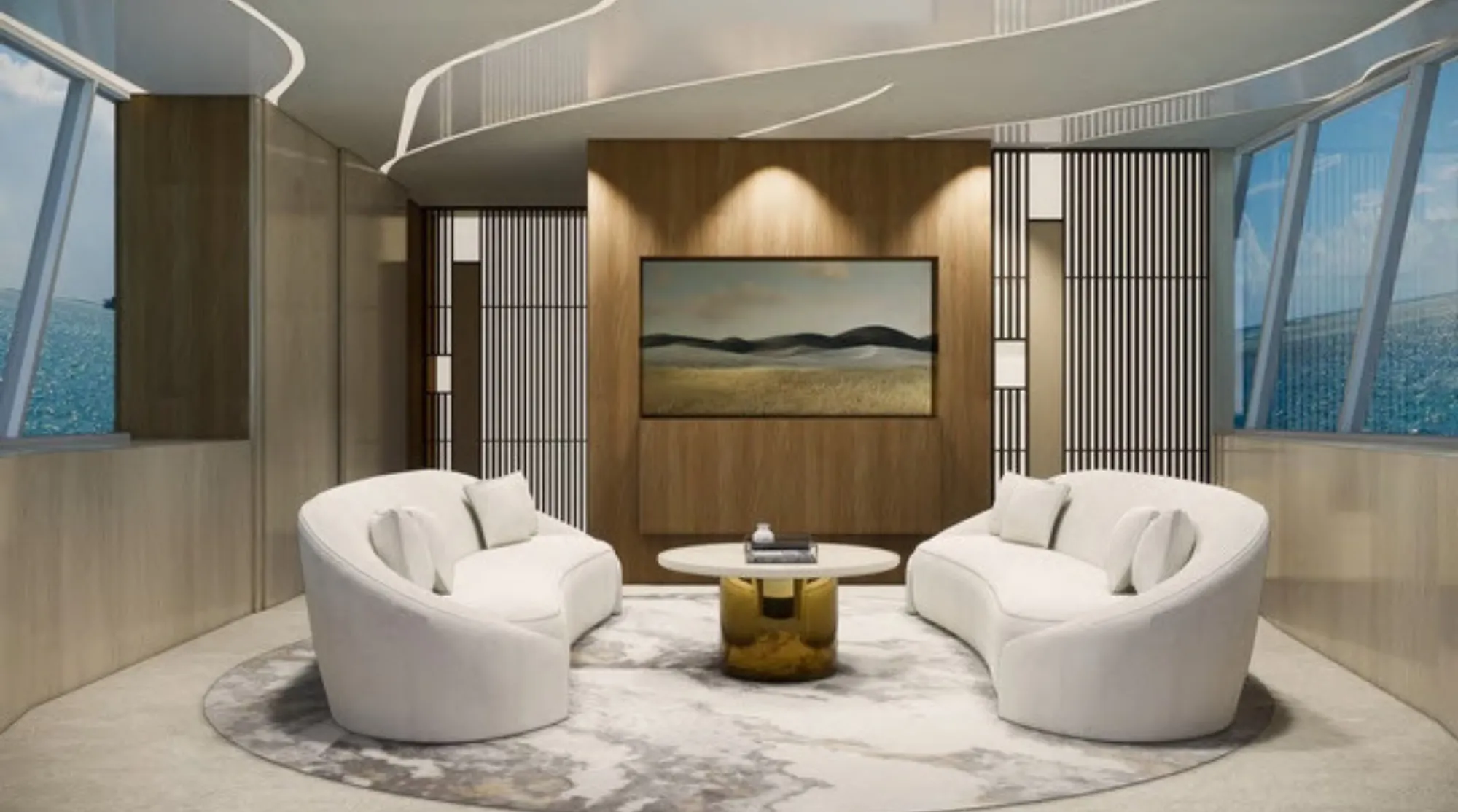
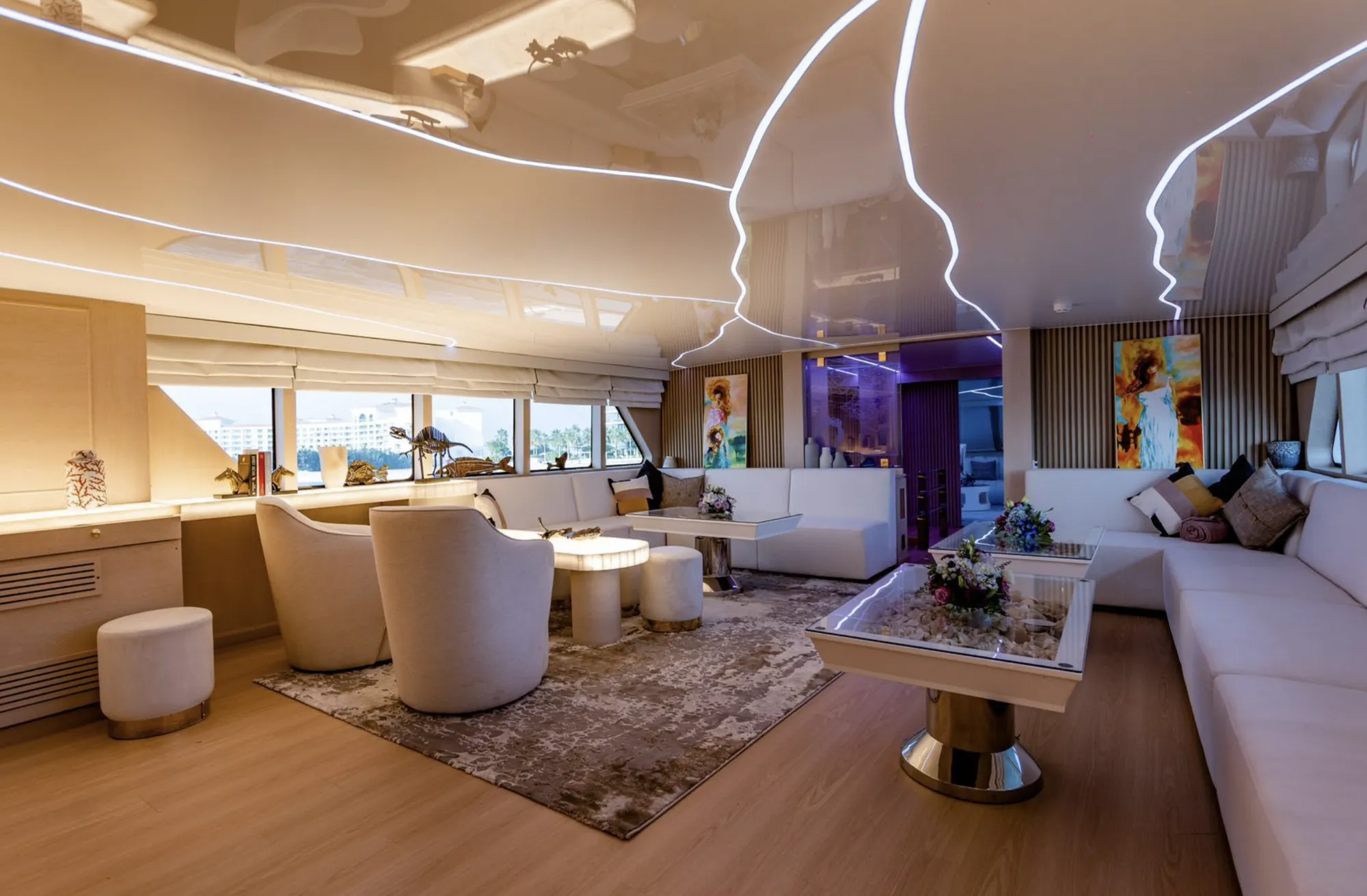
Personal, or eclectic. Less a style than a method. Rather than choosing a single design language, an eclectic interior is built around the owner’s own references — art collected over decades, textiles from specific places, furniture that doesn’t match on paper but coheres because someone with a clear eye decided it should. This is the hardest category to do well and the easiest to do badly, because without a genuinely confident point of view, “eclectic” collapses into “unplanned.” When it works, though, it’s usually the most memorable interior in the room, because it couldn’t belong to anyone else.
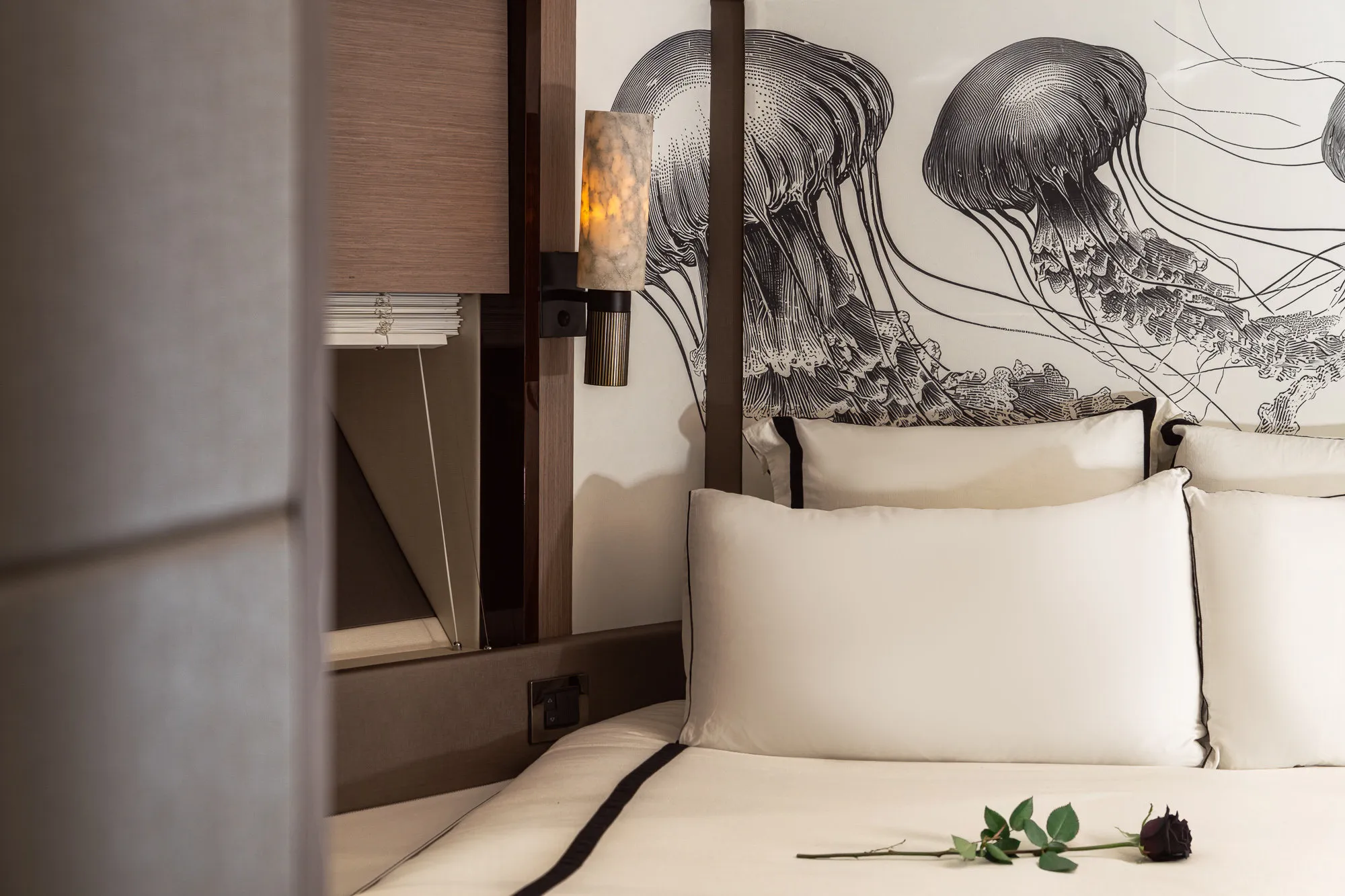
Coastal, reinterpreted. The instinct to make a yacht look explicitly nautical — rope details, anchor motifs, navy-and-white stripes — has mostly aged out of serious design work, for the same reason a beach house doesn’t need seashells glued to the walls to feel like it belongs near water. What’s replaced it is subtler: materials and tones that reference the sea without illustrating it. Sand, chalk, deep ocean navy, driftwood-toned woods, linen that moves the way sailcloth does. The connection to water is felt rather than depicted.
A handful of design studios have effectively defined how these categories are understood in the industry — Bannenberg & Rowell’s bold, color-forward interiors; Terence Disdale’s decades of relaxed, unfussy sophistication; Reymond Langton’s precise, bespoke detailing; Winch Design’s more palatial, classic-leaning work. None of them work in only one register. That’s the real pattern worth taking from all of this: the best interiors rarely commit to a single category for its own sake. They start from how a space will actually be lived in — how someone moves through a salon at 7am versus 11pm, which materials will still look good after a decade of salt air — and the style tends to fall out of those decisions rather than precede them.
Vocabulary helps at the start of a project, when an owner and a designer are still working out how to talk to each other. It matters less by the end, when the interior that actually gets built almost always turns out to be a specific, considered blend of two or three of these categories — which is less a compromise than the entire point.