the kit.
The products that define a superyacht are rarely the ones that appear in brochures. They are the fenders that protect a hull in adverse conditions, the leathers that hold their colour across ten Mediterranean summers, the climate systems that make a beach club usable in forty-degree heat. This section examines the materials and technologies that make a yacht work — and last.

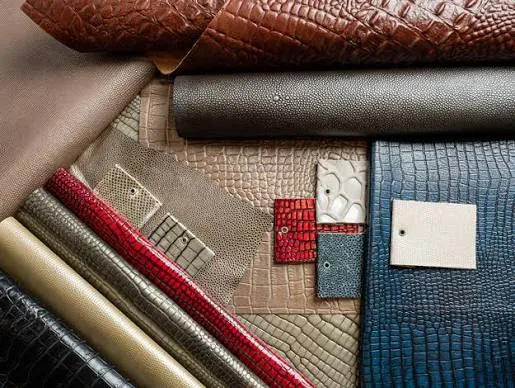
prodital leather: engineering upholstery for a marine climate
Leather is one of the few materials where the difference between "looks the part" and "performs the part" is almost invisible until it fails. A poor marine leather and a good one can be indistinguishable in a showroom, under indoor lighting, on the day it's installed.
Read more →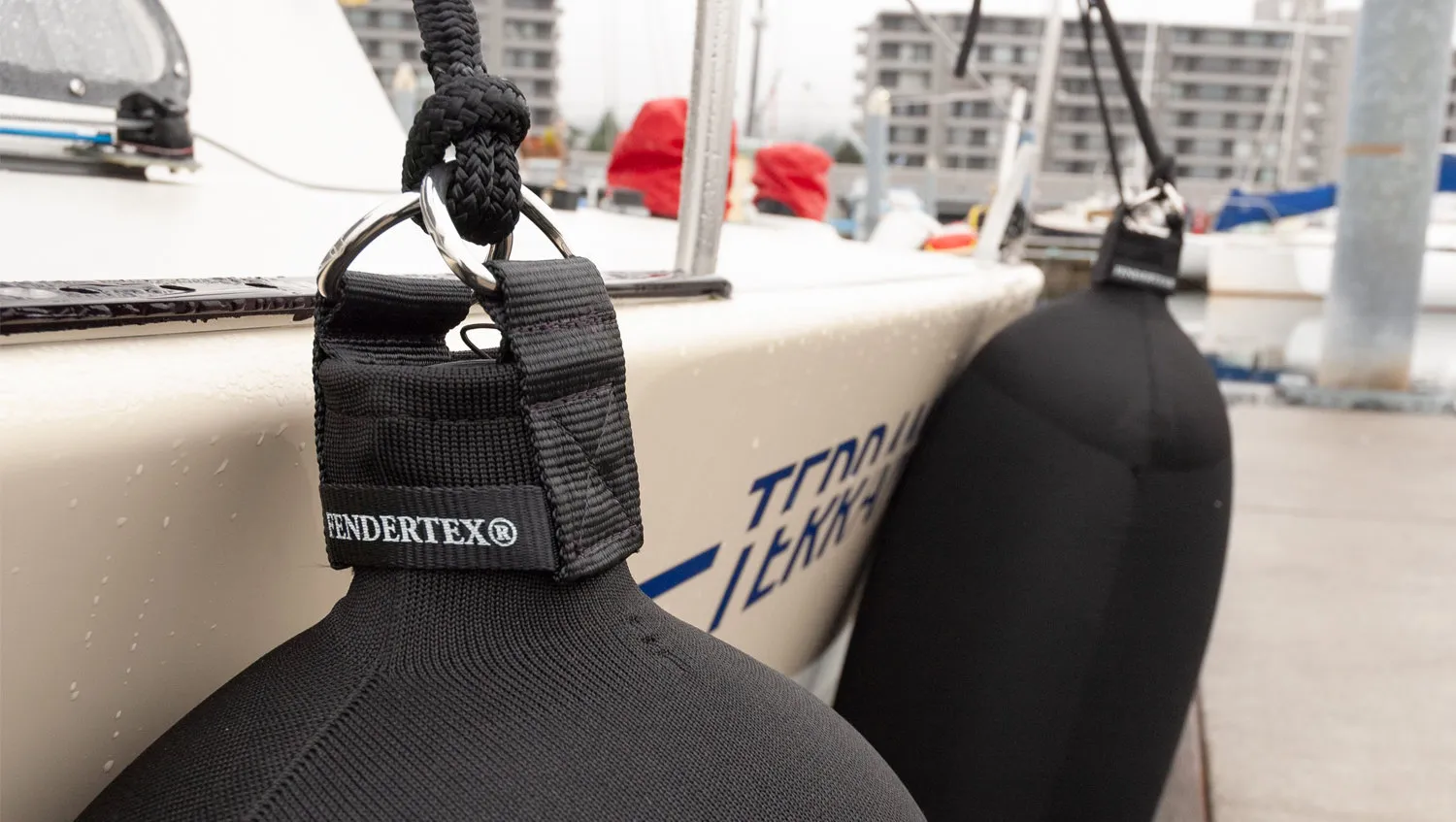
fendertex: the fender that changed how superyachts dock.
Docking is the moment a yacht is most exposed and least admired. Long before a guest steps aboard, the vessel has been eased against a quay, nudged between neighbours, held off a wall in a crosswind — and the humble fender has done the work of protecting a hull that may have taken months to fair and paint.
Read more →
materials that actually survive at sea.
Designing a beautiful yacht interior is only the beginning. The real test comes once the vessel leaves the shipyard and enters its natural environment — one defined by salt air, humidity, vibration, ultraviolet exposure, and constant movement.
Read more →