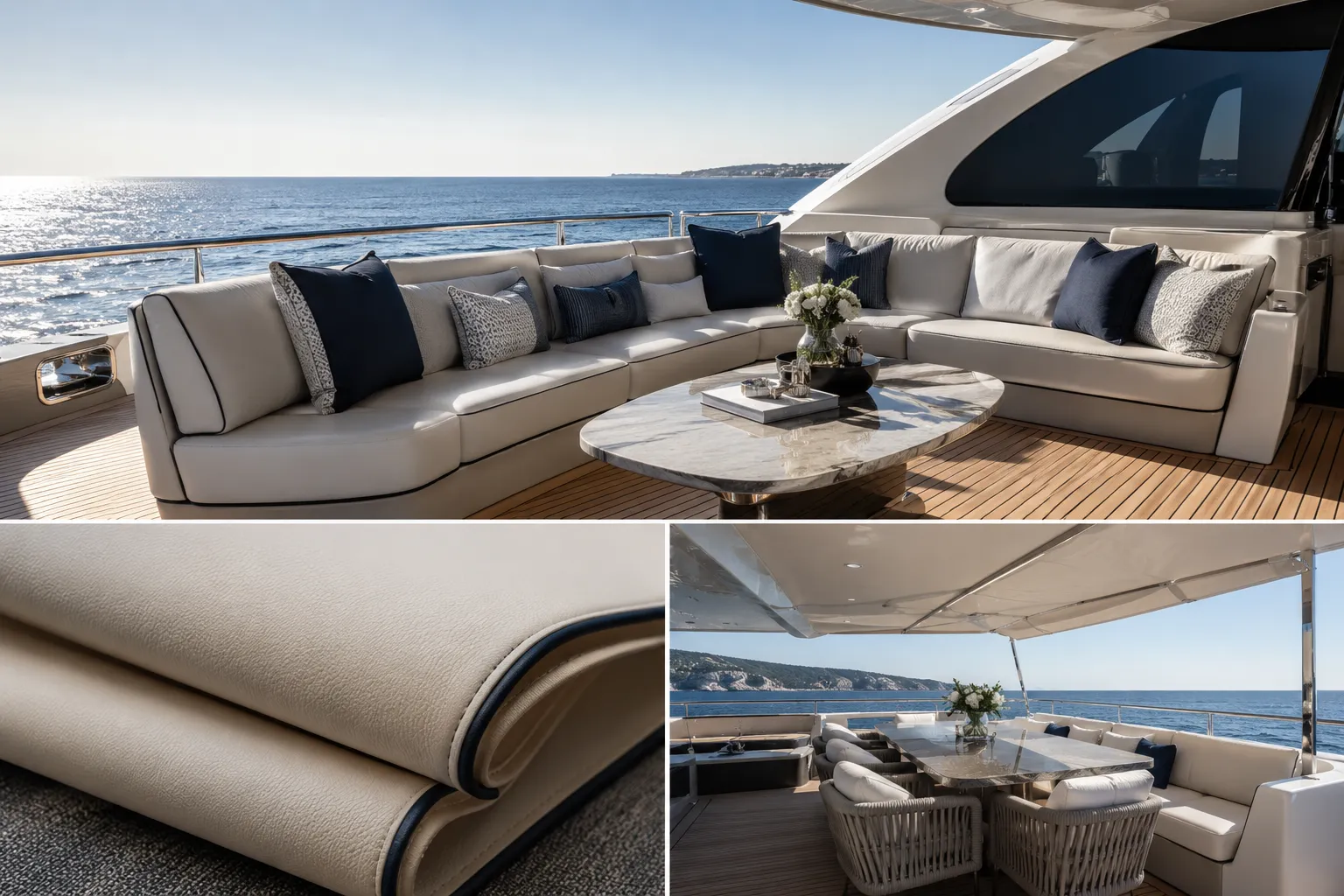
materials that actually survive at sea.

Designing a beautiful yacht interior is only the beginning. The real test comes once the vessel leaves the shipyard and enters its natural environment — one defined by salt air, humidity, vibration, ultraviolet exposure, and constant movement.
Materials that perform flawlessly in a luxury residence can fail quickly at sea. Fabrics fade, metals corrode, leather cracks, and poorly specified components begin to show wear within a single season.
For designers working in the marine sector, material selection becomes as much an engineering decision as an aesthetic one. The most successful yacht interiors are those where every surface, textile, and technical component is chosen not only for beauty, but for durability in one of the harshest environments on earth.
The following are some of the materials and product innovations that are helping redefine longevity in modern yacht design.
Advanced Docking Protection
Before guests even step onboard, the yacht is already exposed to potential damage during docking and maneuvering.
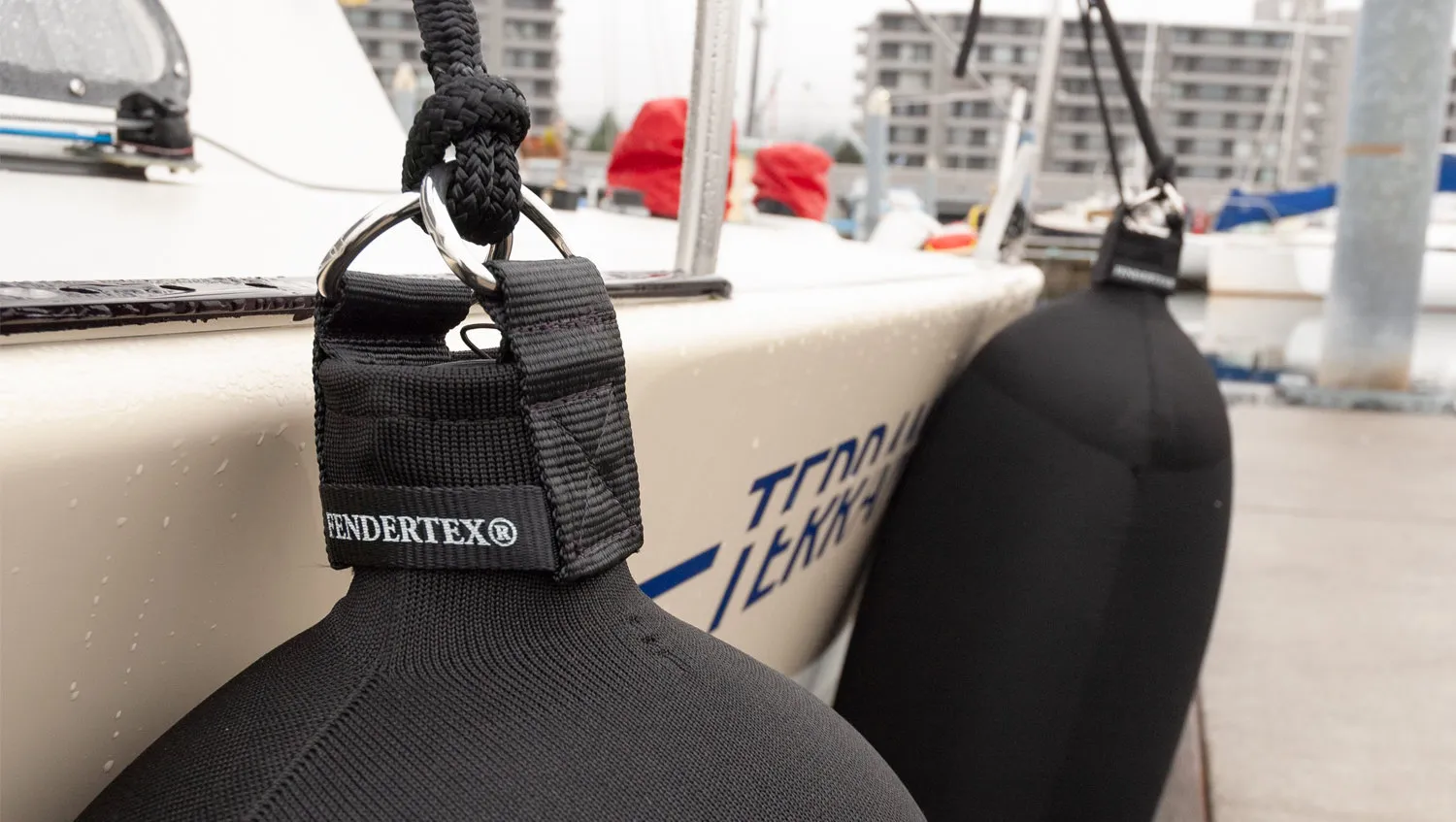
Traditional rubber or PVC fenders can be heavy, bulky, and prone to leaving marks on painted hulls. A new generation of technical solutions is emerging to solve these issues.
One notable example is Fendertex, whose inflatable textile fenders are engineered using high-performance woven fabrics designed to withstand abrasion, UV exposure, and heavy compression loads. Unlike conventional fenders, these systems are lightweight, resistant to fading, and can even be deflated and stored compactly when not in use.
Beyond protection, these materials also contribute to the overall aesthetic of a yacht’s exterior — a growing consideration for owners who view every detail of the vessel as part of the design experience.
Marine Leather That Endures the Elements
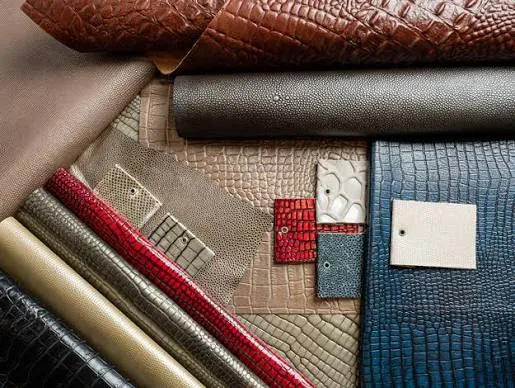
Leather remains one of the most desirable materials in luxury yacht interiors. Its warmth, texture, and craftsmanship bring a residential quality to onboard spaces. However, traditional leather treatments often struggle with humidity, sunlight, and constant use.
Manufacturers such as Prodital Leather have developed marine-grade leather specifically engineered for yachts, combining traditional Italian craftsmanship with modern performance treatments. These leathers can be customized with waterproof, scratch-resistant, and fire-resistant coatings while maintaining the tactile elegance expected in high-end interiors.
Such materials allow designers to incorporate leather across seating, wall panels, and architectural details without compromising durability.
The Rise of Technical Synthetic Materials
While natural materials remain central to yacht design, innovative synthetics are becoming increasingly important for areas exposed to higher levels of wear.
Silicon Leather by Maison Azure, for example, represents a modern approach to marine upholstery. Designed to deliver the softness of leather with the resilience of technical polymers, it offers improved resistance to moisture, UV exposure, and staining — making it particularly well suited to high-traffic areas such as lounges, beach clubs, and exterior seating.
Other advanced upholstery materials, such as Flexima, are engineered specifically for marine environments where flexibility, durability, and easy maintenance are essential.
These materials enable designers to achieve refined textures and colors while maintaining the performance required onboard.
Exterior Textiles Built for the Ocean
Outdoor spaces have become central to modern yacht living, from expansive sun decks to sophisticated beach clubs. These environments demand fabrics capable of surviving intense sunlight, saltwater exposure, and constant use.
Marine textile specialists like Mar-ix and Tessilmare focus on producing technical fabrics and protective marine materials designed specifically for these conditions. Their products help maintain color stability, structural integrity, and long-term comfort in outdoor seating and shading systems.
Another innovative solution comes from Decktent, whose modular deck protection systems provide durable shading and weather protection while integrating seamlessly with yacht architecture.
These technologies allow exterior spaces to function as true living environments rather than purely seasonal areas.
Craftsmanship Meets Marine Engineering
Beyond large surfaces and structural materials, many of the elements that define a yacht’s character lie in its handcrafted details.
Italian marine lifestyle brand Marricreo has become well known for its leather accessories, storage systems, and deck furnishings designed specifically for the nautical environment. By combining traditional craftsmanship with marine-grade materials, these pieces bring warmth and elegance to spaces that would otherwise feel purely technical.
From stitched leather handles to tailored deck accessories, such details reinforce the idea that durability and luxury can coexist.
Designing for the Long Voyage
Ultimately, the best yacht interiors are not defined by the materials themselves, but by the intelligence behind their selection.
Designers must balance a complex range of factors:
- Resistance to salt, humidity, and UV exposure
- Structural stability under vibration and movement
- Ease of maintenance for crew
- Longevity across multiple cruising seasons
- Visual harmony within the overall design concept
When these elements align, the result is an interior that not only looks exceptional on delivery day, but continues to perform year after year.
For designers, shipyards, and yacht owners seeking reliable marine-grade materials, many of these products — including Fendertex, Mar-ix, Decktent, Siicon Leather, Prodital Leather, Flexima, Marricreo, and Tessilmare — can be sourced through Yacht IQ, which connects yacht projects with specialized suppliers across the global marine industry.
In the end, true luxury at sea is not defined solely by how a yacht looks — but by how well its materials endure the voyage.