palma, antibes, genoa, and dubai: an owner's guide to the refit ports
For decades, the question “where should I refit” had an unspoken default answer: somewhere in the Mediterranean. That’s no longer entirely true. The geography of refit is shifting for the first time in a generation, and understanding why requires looking at each location on its own terms rather than treating “the Med” as a single interchangeable answer.
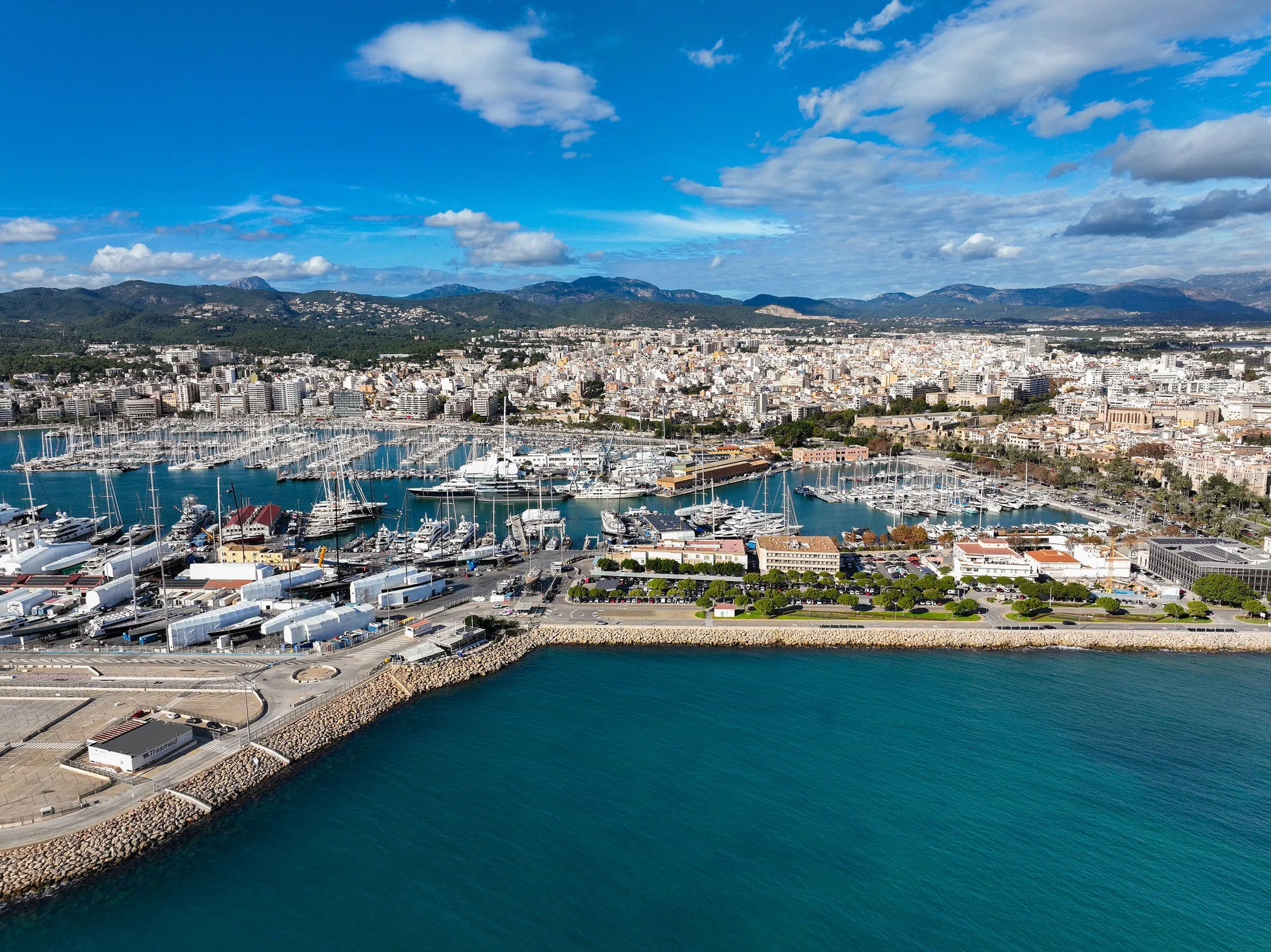
Palma. Mallorca has spent roughly fifteen years building the deepest refit ecosystem in the Mediterranean, and the depth is the actual point — not any single yard, but the density of specialist trades clustered around it. STP Shipyard Palma runs an “open yard” model: owners and captains choose their own contractors from several hundred companies registered to work on-site, rather than being tied to one yard’s internal workforce. Astilleros de Mallorca, Palma’s other major facility, complements that with full-service capacity for vessels up to 120 metres. Together they anchor an island-wide contractor base — painters, riggers, electronics specialists, naval architects — deep enough that Palma is now second only to Antibes in year-round yacht-crew population. Labour costs run meaningfully below France and Italy, which compounds over a refit’s duration into real savings, not just a marginally better hourly rate.
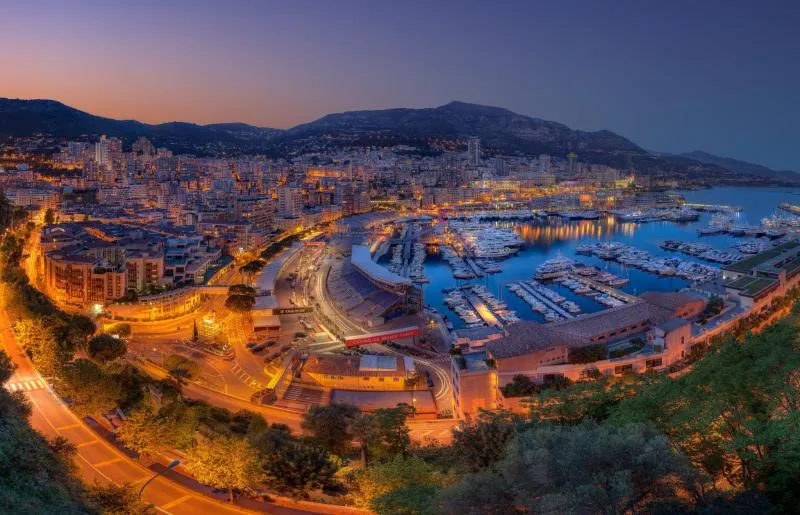
Antibes and La Ciotat. France’s refit corridor is the historic core of the European industry, and it remains the premium end of the market by cost as well as reputation — dockage and labour both run higher here than in Palma. What that premium buys, in practice, is proximity to an extremely dense concentration of high-end finishing and interior trades that have served the Riviera’s superyacht fleet for generations. For an owner prioritising the most demanding joinery, upholstery, or finish work, and willing to pay Riviera rates for Riviera-level specialists, this remains the reference point the rest of the industry is still measured against.
Genoa. Italy’s contribution to refit geography draws on something the other ports don’t have in quite the same way: proximity to the country’s broader shipbuilding and marine engineering base. Genoa and the surrounding Ligurian coast sit inside Italy’s naval and yacht-construction heritage, which tends to translate into particular strength in technical and structural work — engine and systems overhauls, mechanical projects — alongside the interior and finishing capability found elsewhere in the Mediterranean. It’s less a lifestyle-driven choice than Antibes or Palma and more a capability-driven one, for owners whose refit scope leans technical.
Dubai. This is the genuinely new entry in the conversation, and it’s worth being precise about what’s actually changed rather than overstating it. Gulf News reported this week that the UAE is quietly establishing itself as a global manufacturing base for luxury yachts — Gulf Craft and Poland-founded Sunreef Yachts, now producing in Ras Al Khaimah, both describe international demand for UAE-built vessels that simply didn’t exist a decade ago. That new-build momentum has a refit counterpart: international refit-yard operators have begun forming joint ventures specifically to build dedicated superyacht refit capacity in the UAE, rather than treating the region purely as a winter cruising destination served from Mediterranean yards. Separately, UAE-based owners now account for a meaningful and growing share of the Gulf’s superyacht fleet, which itself represents roughly 5% of the global total — a real, if still comparatively modest, base of local demand to build refit capacity around.
What Dubai doesn’t yet have is Palma’s decades of compounded contractor depth, or Antibes’ generational finishing trade base. What it does have, increasingly, is proximity for Gulf-based owners who would otherwise ship a yacht to Europe and back every winter, a climate that makes certain technical specifications (cooling capacity, UV-rated materials) a starting assumption rather than a retrofit, and a visible, recent commitment of international refit expertise choosing to build capacity here rather than simply fly contractors in for a season. It belongs in this conversation now in a way it didn’t five years ago — not yet as an equal to the Mediterranean’s established ports, but as a genuine fourth option rather than an afterthought.
The practical takeaway for an owner choosing where to refit hasn’t fundamentally changed: match the yard to the scope, not the destination to the lifestyle. What has changed is that the honest answer to “where” now has four real options instead of three, and for a Gulf-based owner in particular, the newest one may increasingly be the most convenient rather than the most compromised.