monaco, from a gulf owner's perspective
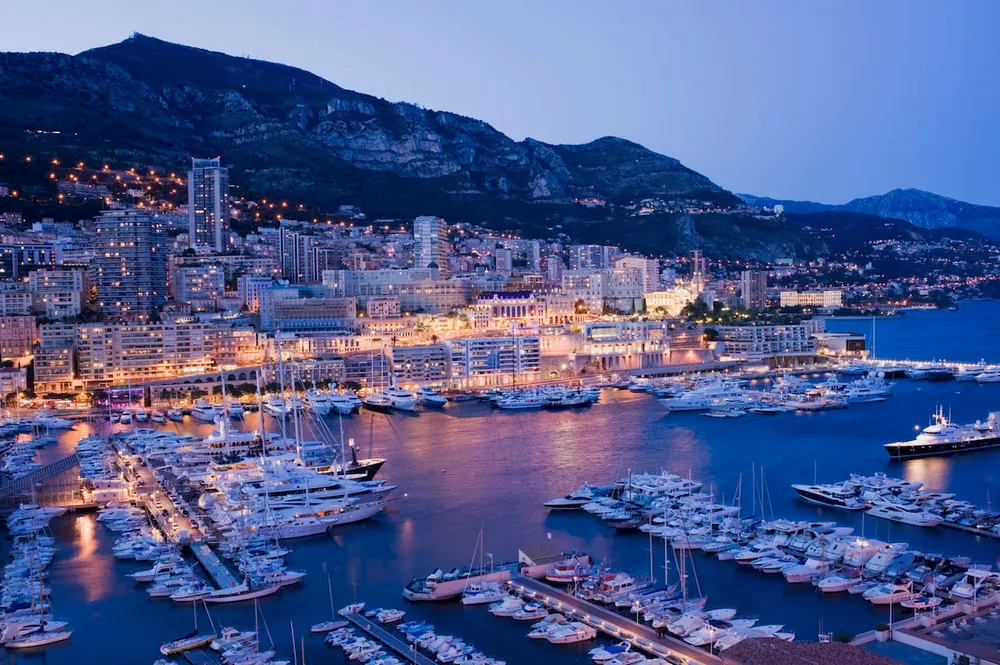
Monaco and Dubai are often compared as rival playgrounds for the same clientele, but the comparison works better as a study in opposite strategies than as a competition. Monaco’s entire value proposition is built on scarcity. The Gulf’s is built on abundance. Understanding the difference explains more about why an owner might choose one, the other, or both, than any simple ranking could.
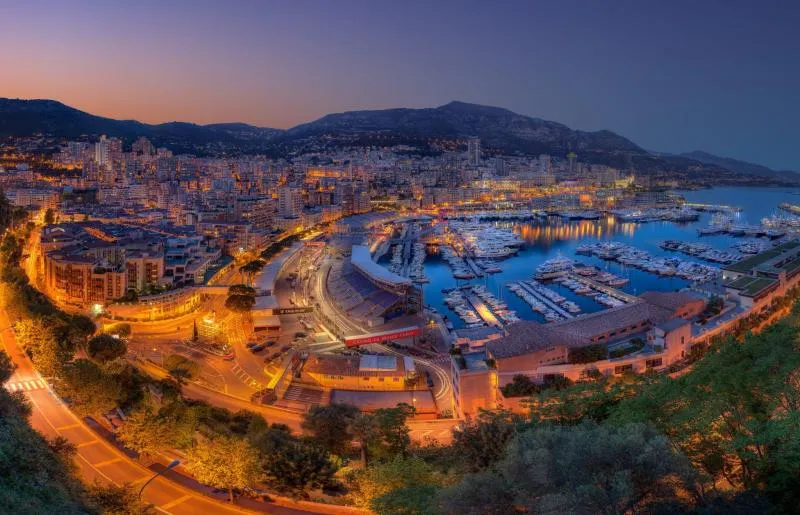
Port Hercule makes Monaco’s logic visible in a way few other harbours do. A permanent berth capable of holding a 50-metre yacht currently trades on a private secondary market for somewhere between four and six million euros, with annual maintenance fees running into the hundreds of thousands — figures that look irrational until you account for what they actually buy: a permanent Monaco address for the vessel, freedom from the annual scramble for transient space during the Grand Prix and the Monaco Yacht Show, and the simple ability to step from a harbourside apartment directly onto the boat without transfer or tender. The harbour itself sits inside a natural amphitheatre — every apartment terrace, casino window, and hillside restaurant looks down onto the water, which means a yacht in Port Hercule isn’t merely docked, it’s on permanent display to the entire principality. For a certain kind of owner, that visibility is the actual product being purchased, not an incidental benefit of the berth.
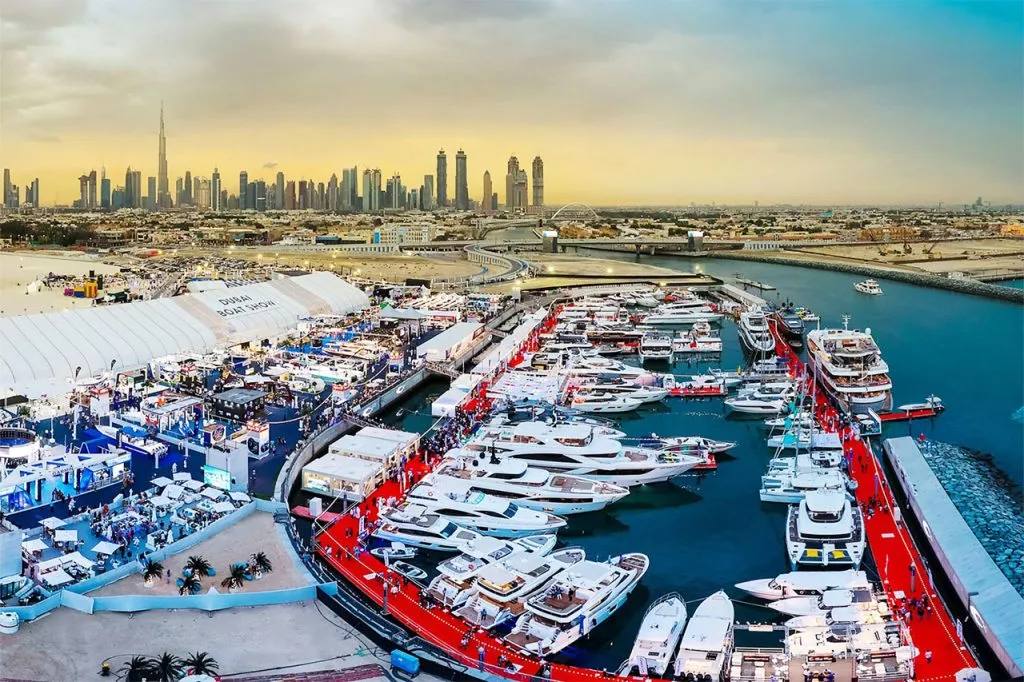
Dubai’s model runs in the opposite direction entirely. Rather than a fixed, land-constrained harbour trading scarce concessions at rising prices, the emirate has spent the past several years adding new berths at a pace no legacy Mediterranean port could match — hundreds of new spaces across several developments in recent seasons alone, with more actively under construction. Where Monaco’s value comes from a supply that can never meaningfully grow, Dubai’s comes from a supply that keeps expanding to meet demand, backed by modern infrastructure built in the past decade rather than retrofitted into a centuries-old harbour.
What this means in practice for a Gulf-based owner visiting Monaco is a genuine change in register. The Riviera experience is one of density and formality — tight berthing, layered social hierarchy, decades of established protocol around who anchors where and which restaurant terrace matters this season. It’s a compelling, specific kind of theatre, and there’s a reason it remains the reference point the rest of the industry measures itself against. But it asks an owner to participate in a scarcity economy that a Gulf-based owner, coming from a market built on abundant modern capacity, may find genuinely unfamiliar — not better or worse, just built on a different logic entirely.
The honest comparison isn’t which location is superior; it’s which value proposition an owner is actually buying into. Monaco sells permanence, visibility, and access to a specific, dense, historically layered social world that can’t be replicated anywhere else at any price — which is precisely why owners keep paying rising sums for a fixed and shrinking supply of it. The Gulf sells room to grow, modern infrastructure built for how owners actually cruise today, and a winter season that doesn’t require migrating anywhere else. A Gulf-based owner doesn’t have to choose between them permanently. But arriving in Monaco understanding which economy you’ve stepped into — rather than expecting Dubai’s logic of expanding, responsive capacity — changes how the whole visit reads.