Fort Lauderdale to the Gulf
How Winter Migration Patterns Are Changing
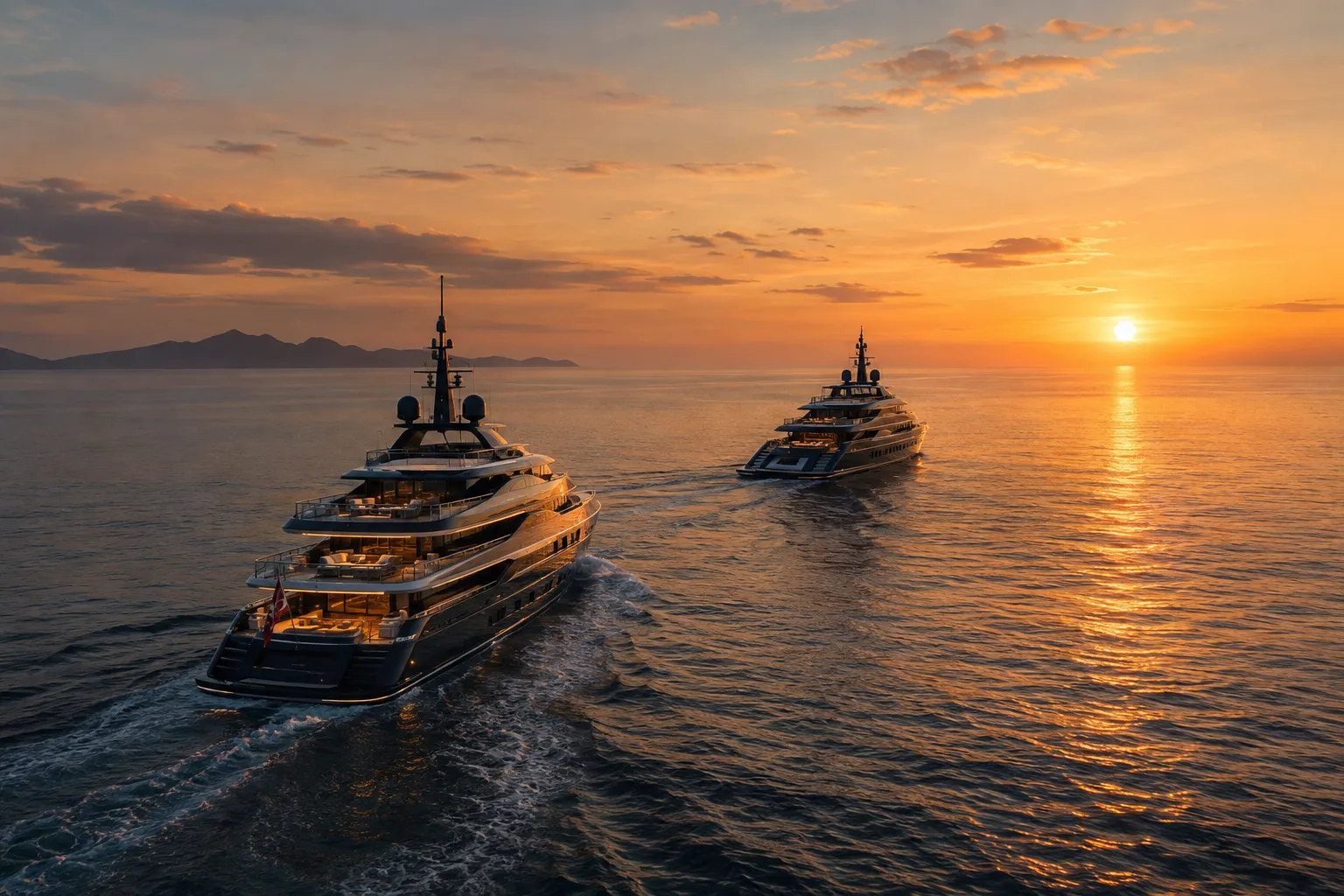
The global superyacht fleet has run on a two-hub rhythm for decades: Mediterranean summers, Caribbean and Fort Lauderdale-based winters, with the fleet crossing the Atlantic each direction on a schedule almost as fixed as the seasons themselves. That rhythm is no longer the only option, and in places it’s no longer even the default.
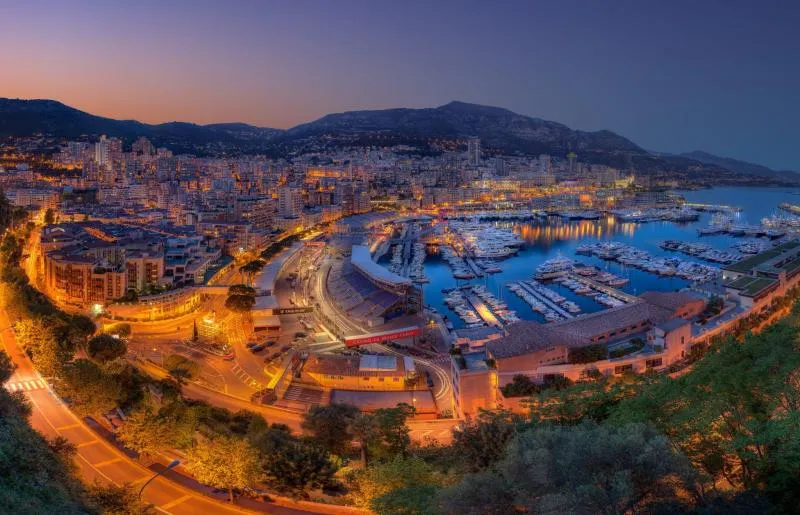
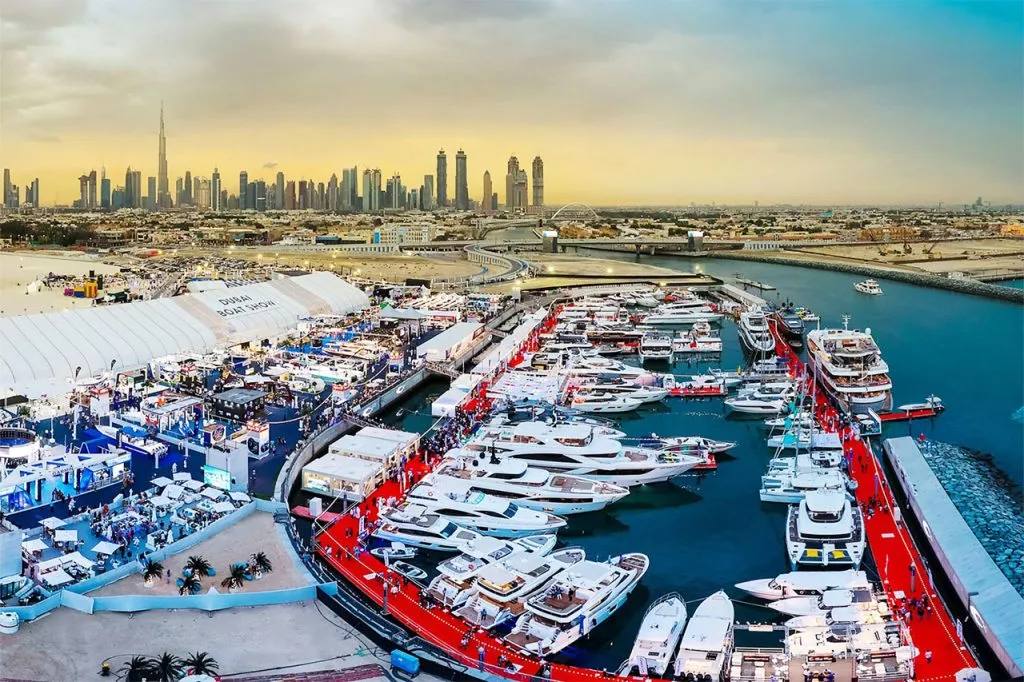
The traditional pattern is worth stating plainly, because it’s the baseline everything else is now measured against. Yachts typically arrive in the Mediterranean between February and May to open the summer season, then make the crossing back toward the Caribbean and the US East Coast between September and November, often timed around the Fort Lauderdale International Boat Show — still the largest in-water show in the world — before dispersing into Caribbean marinas for the winter charter season. It’s a well-worn migration, with established waypoints, weather windows, and an entire seasonal labour market built around crew moving with the fleet.
The Gulf’s pitch to this system has never been that it wants to join the migration — it’s that owners based there increasingly don’t need to migrate at all. A yacht based in the Gulf experiences its own winter as a genuine high season rather than an off-season to be endured: calm seas, reliable weather, and a growing local infrastructure of marinas, refit capacity, and events timed specifically to that local rhythm rather than borrowed from the Mediterranean calendar. For an owner who’s based there anyway, the migration that Mediterranean- and Caribbean-based fleets treat as unavoidable starts to look like a choice rather than a requirement.
There’s a quieter version of the same structural advantage, too, and it holds regardless of the news cycle in any given year. Repositioning a yacht from the Gulf to the Mediterranean has never been entirely a given — weather windows, congested straits, and ordinary logistics can complicate the crossing in any given season, for reasons that have nothing to do with an owner’s preference. A region that can sustain its own full season, independent of that migration calendar, holds up precisely in the years when repositioning elsewhere gets complicated. It’s a quieter argument than pure convenience, but a real one: optionality has value exactly when the alternative becomes harder to exercise.
None of this means the traditional migration is ending. The Mediterranean summer and the Caribbean winter remain the core of the global fleet’s rhythm, and Fort Lauderdale remains the pivotal show marking that seasonal handover for most of the world’s owners. What’s changed is that a third position now exists in the conversation — not as a replacement for the old migration, but as a genuine alternative for a growing base of owners who no longer need to follow it. For a Gulf-based owner, that’s arguably the most significant shift in a decade: the calendar that used to define where a yacht had to be, and when, is no longer the only one worth planning around.