keeping your yacht in the gulf summer

The Gulf summer is not the Mediterranean summer with the dial turned up. It is a different environment, and a yacht kept here through it needs to be managed as such. Air temperatures sit high for months. Humidity is relentless. The water is warmer and more saline than almost anywhere a vessel of this kind is designed to operate. None of this is cause for alarm — fleets winter here perfectly well — but it rewards a captain or owner who plans for it rather than reacts to it.
Heat and ultraviolet. The first thing the season tests is anything exposed. Sustained UV fades upholstery, dulls exterior finishes, and shortens the life of varnish and unprotected teak. The defence is unglamorous and effective: shade and covers. Bimini and fitted covers over seating, helm and brightwork pay for themselves across a single summer. Where surfaces must stay exposed, marine-grade textiles and finishes selected for colour stability hold up where domestic-grade materials surrender within weeks.
Humidity below decks. The harder problem is the one you cannot see. Warm, saturated air finds its way into lockers, bilges, lazarettes and any space that is closed and still. Left alone,
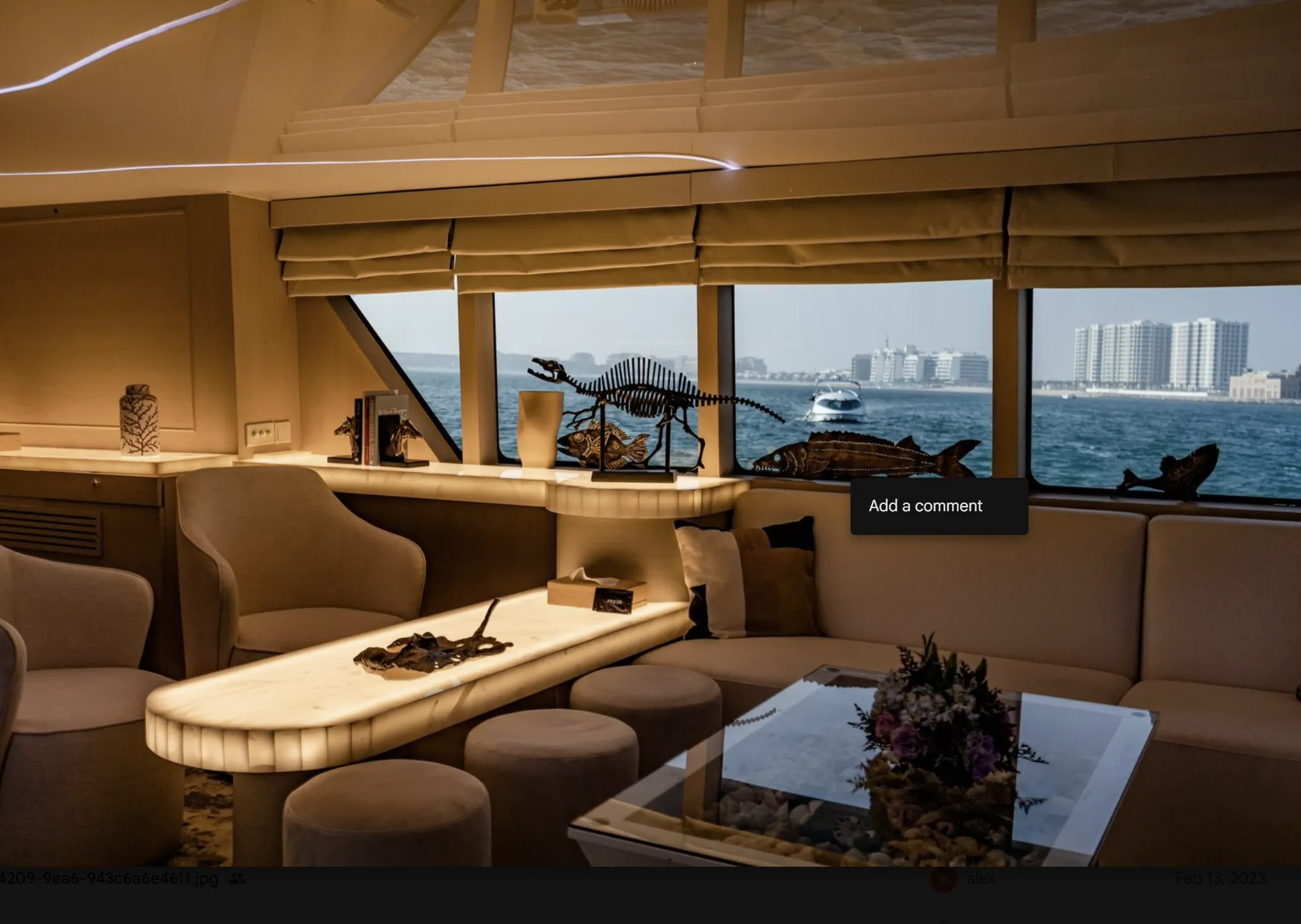
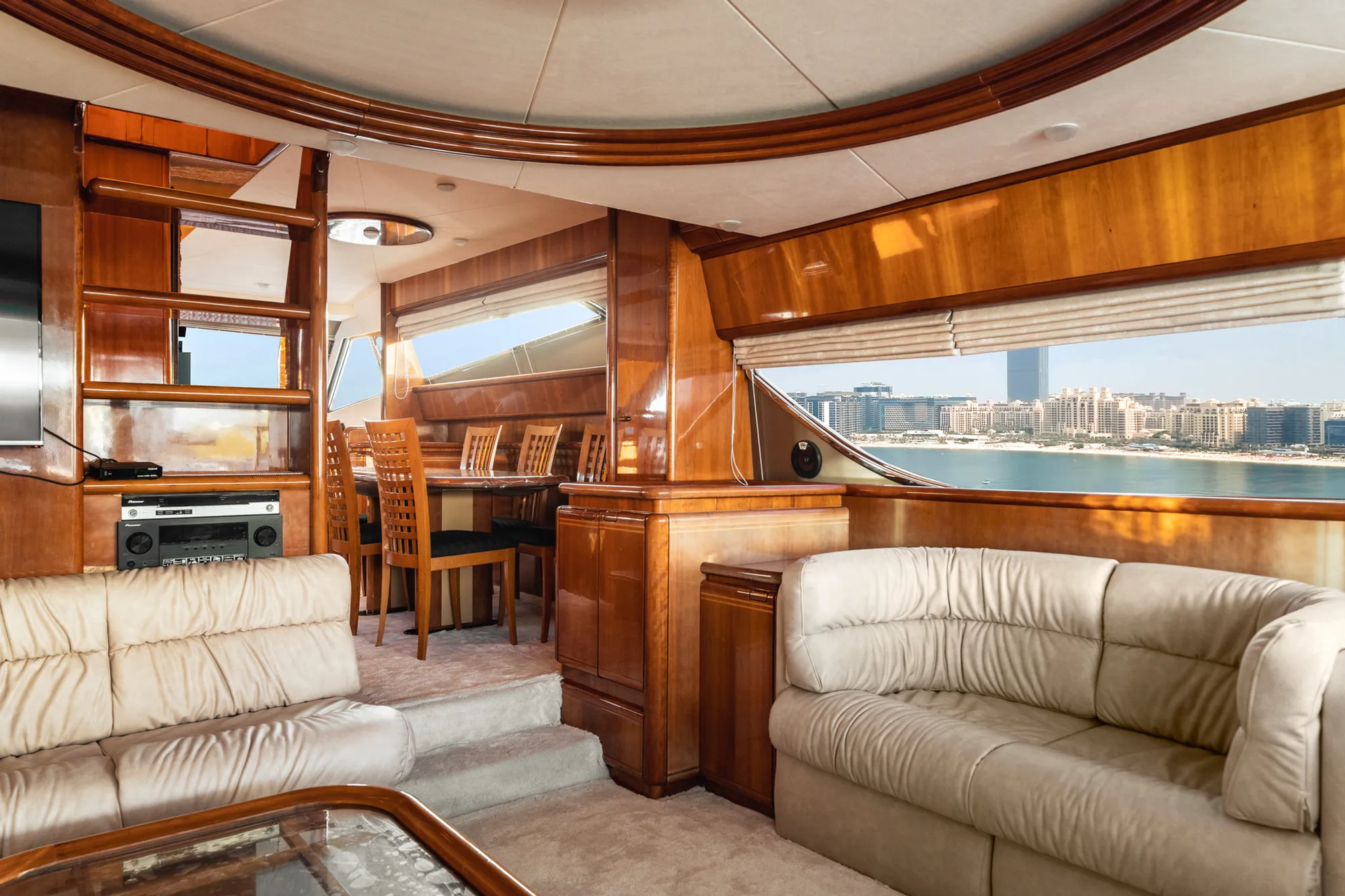
it produces condensation, then mildew, then the smell that tells you it has been there a while. The answer is air movement and dehumidification: keep the climate control running, keep interior air circulating even in spaces that are rarely opened, and place dehumidifiers or moisture absorbers in the dead corners. Leather and natural textiles, in particular, want managed humidity rather than a sealed box.
Biofouling. Warm water accelerates marine growth. A hull that stays clean for months in cooler seas can foul noticeably faster through a Gulf summer, and growth does not stay politely on the hull — it reaches running gear, intakes and sea chests, where it quietly costs efficiency and, eventually, reliability. Plan for more frequent hull inspections and cleans than a Mediterranean schedule would suggest, and keep antifouling current rather than stretching it a season.
Systems under load. Everything that cools, works harder. Air conditioning and refrigeration run closer to capacity for longer, which in turn loads generators and the electrical system.
Heat shortens the life of batteries and is unkind to electronics. The sensible posture is preventative: service cooling systems and check refrigerant before the season rather than during it, keep raw-water strainers clear, watch generator hours, and give heat-sensitive equipment ventilation it can rely on.
Salt, and the daily habit that beats it. The Gulf’s higher salinity is corrosion’s ally. Stainless that stays bright in the Mediterranean can bloom with surface rust here if salt is allowed to dry and sit. The single most useful habit is the simplest: regular fresh-water washdowns, paying attention to fittings, fasteners and the places spray reaches and dries.
None of these measures is exotic. Taken together, they are the difference between a vessel that emerges from summer ready for the next season and one that spends autumn catching up on a list it could have prevented. The Gulf is a demanding place to keep a yacht — and an entirely manageable one, for those who treat the season as something to be worked with rather than waited out.