the case for fewer, better things
Editing a Yacht Interior Over Time
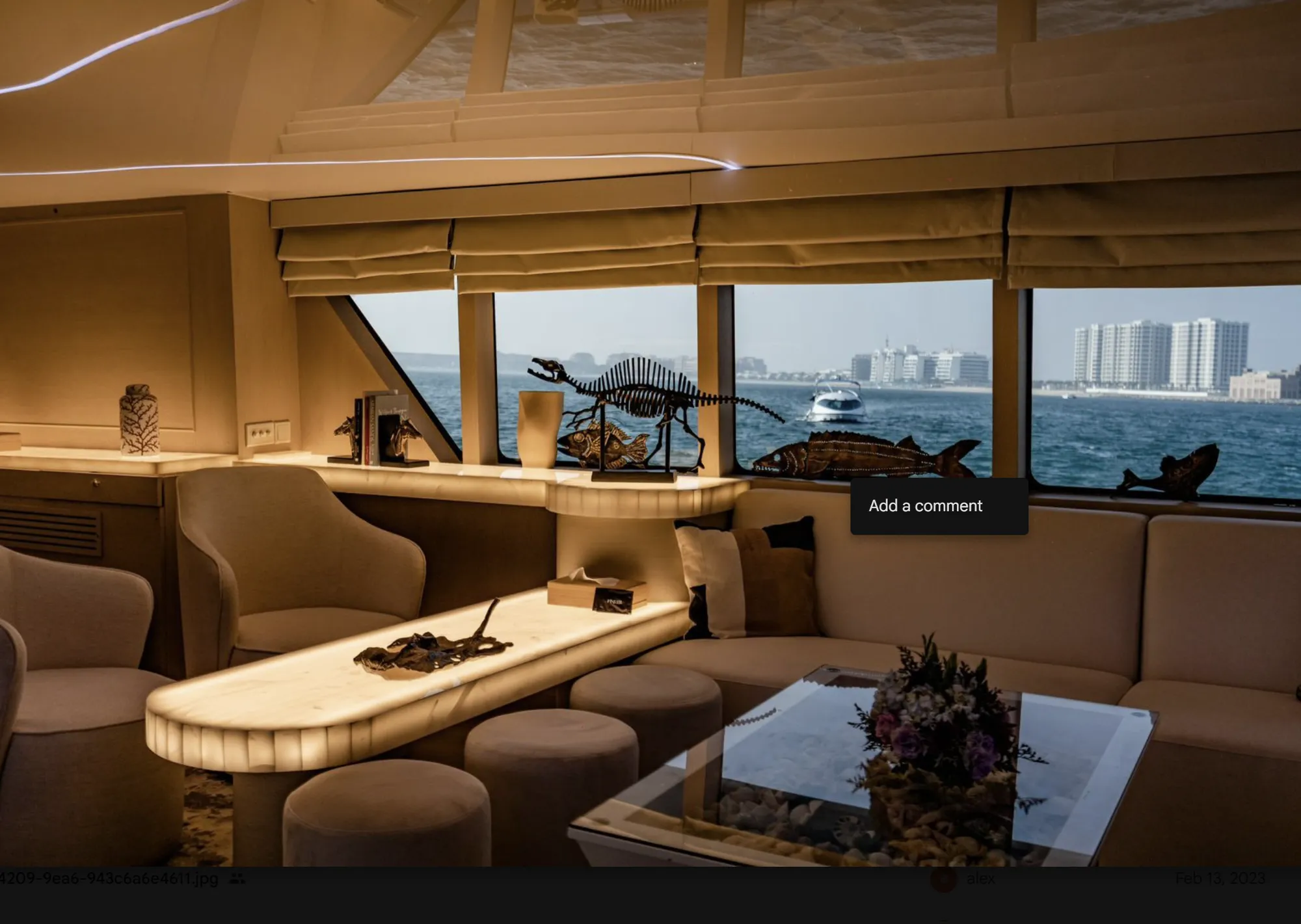
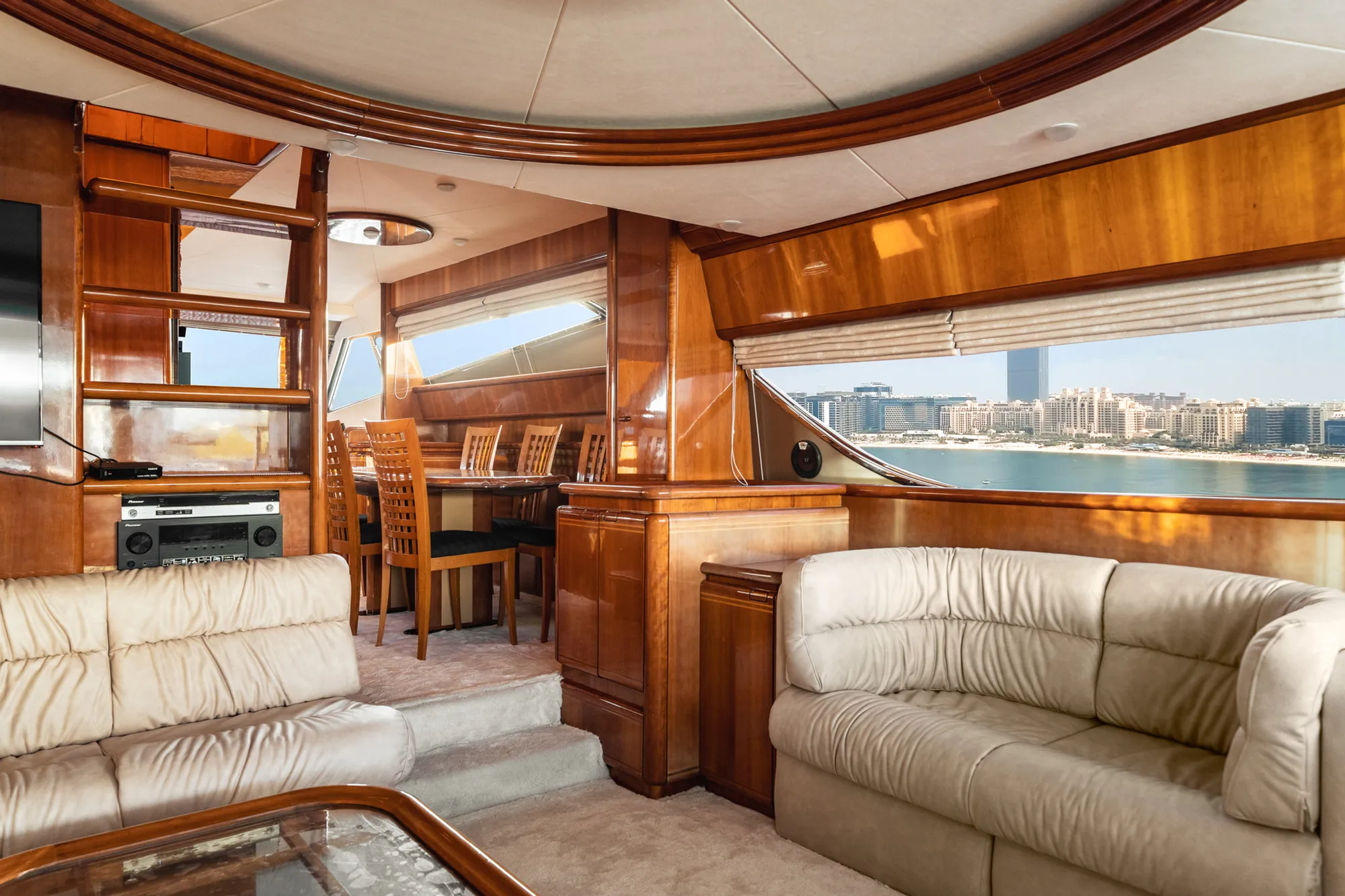
A yacht interior, unlike most residential ones, gets specified once and then lived in for years without the natural churn that keeps a house evolving — no moving, no renovation triggered by a change in family size, often not even much visiting furniture from other rooms. Left alone, that stillness tends to produce accumulation rather than refinement: a cushion added here, a decorative piece brought aboard there, each addition reasonable on its own, the whole slowly drifting away from whatever clarity the original design had.
The editing instinct that counters this isn’t really about minimalism, despite how easily the two get confused. A restrained interior and a genuinely edited one can look similar in photographs and feel completely different to live in. Minimalism is a style choice, applied at the start and then defended. Editing is an ongoing practice — revisiting a space after a season of actual use and asking, honestly, what’s still doing work and what’s simply accumulated. The difference shows up over years, not in any single before-and-after.
The hardest part of editing an interior isn’t identifying what to remove. It’s resisting the temptation to keep adding in response to every small dissatisfaction, which is the much more common failure mode. A reading lamp that’s slightly wrong gets a second lamp added beside it, rather than the first one replaced. A seating arrangement that doesn’t quite work for how the owner actually entertains gets extra cushions and a side table, rather than a rethink of the arrangement itself. Each individual addition is a reasonable, low-effort response to a real problem. Collected over several seasons, they add up to an interior that’s technically more furnished and genuinely less considered than the one it started as.
There’s a practical argument for restraint that goes beyond aesthetics, too, and it’s specific to yachts in a way it isn’t to houses: every object aboard has to be secured, stowed, or accounted for before the vessel moves, and every additional decorative piece is one more thing crew have to manage on every departure. An interior with fewer, better objects isn’t just calmer to look at — it’s measurably easier to run, which is the kind of practical dividend that pure minimalism-as-aesthetic doesn’t claim and doesn’t deliver.
The studios and owners who do this well tend to share a specific habit: treating the annual or seasonal refresh not as an opportunity to add, but as a scheduled moment to ask what’s earned its place and what hasn’t. A material that’s aged beautifully stays. A piece that seemed necessary at delivery but has never actually been used goes. It’s a small, unglamorous discipline, and it’s the difference between an interior that feels considered a decade in and one that feels, without anyone being able to say exactly why, like it’s been quietly cluttering itself for years.
Fewer, better things isn’t a constraint to work around. On a yacht specifically, where every object has to justify its presence against real costs — weight, storage, crew time — it’s simply the discipline the environment was always asking for, whether or not anyone was listening at the start.