the repeat buyer: what changes the second time you own a yacht
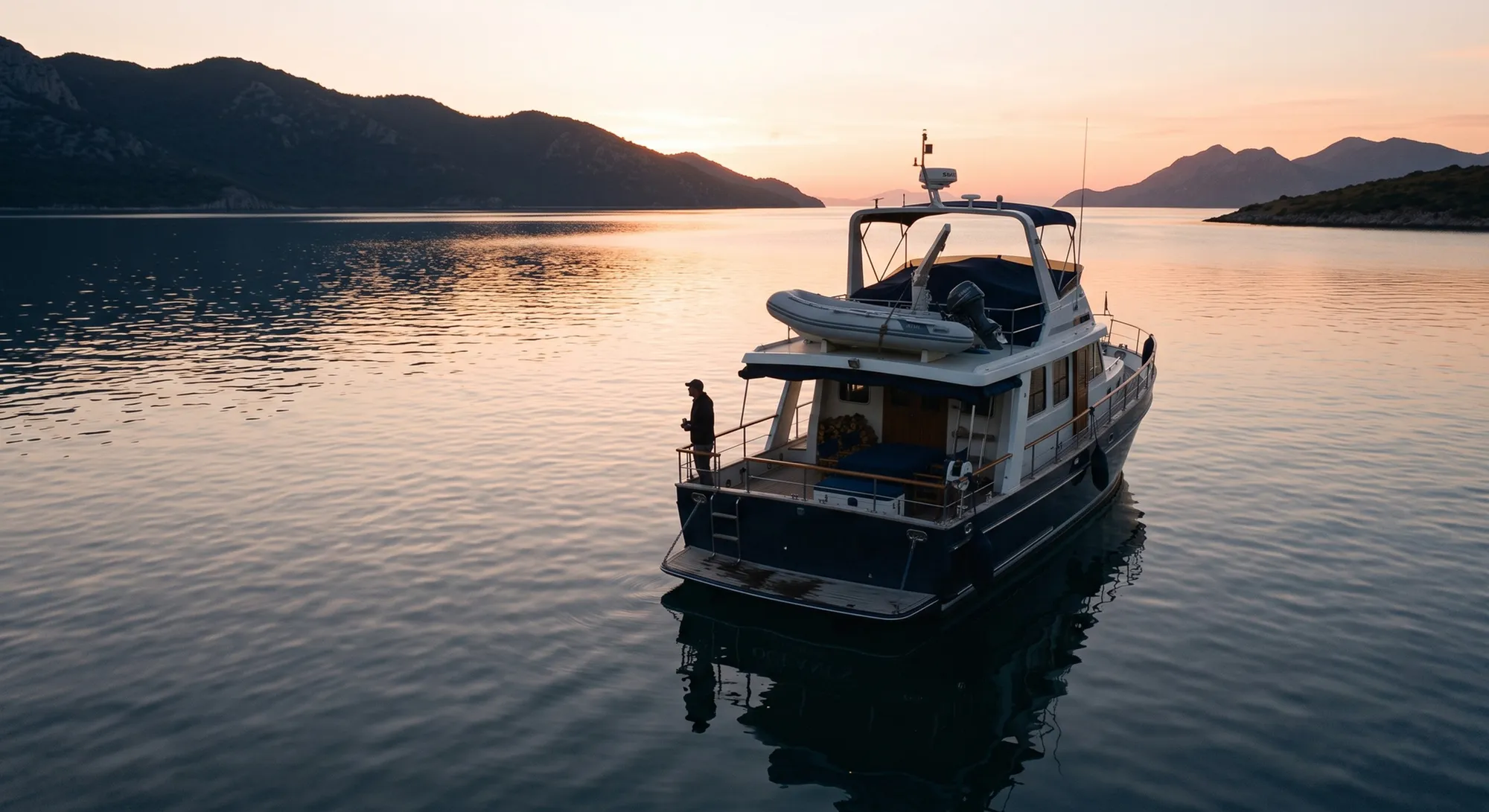
The first yacht is bought with imagination. The second is bought with memory.
That distinction matters more than most buying guides let on. Almost everything written for prospective owners is written for people who have never owned one — length, layout, crew size, the mechanics of the purchase itself. Far less is said about the owner on their second, third, or fourth boat: the person who no longer needs to be sold on the idea of yachting, because they have already lived it, and who is now buying for reasons that have very little to do with what first drew them in.
The pattern that shows up most consistently, once owners have a full season or two behind them, is not more — it’s less. Pat Healey, CEO of the American builder Viking Yachts, has said that roughly one in five of his customers each year are buying their second or third yacht, having started on something 45 metres or larger. The direction of travel is almost always downward in size, not up. It is a detail worth sitting with, because it runs against the instinct most first-time buyers have — that satisfaction scales with length. Owners who have actually lived aboard a large yacht for several seasons tend to discover the opposite: that a great deal of what they were paying for, in space and in crew, was rarely used.
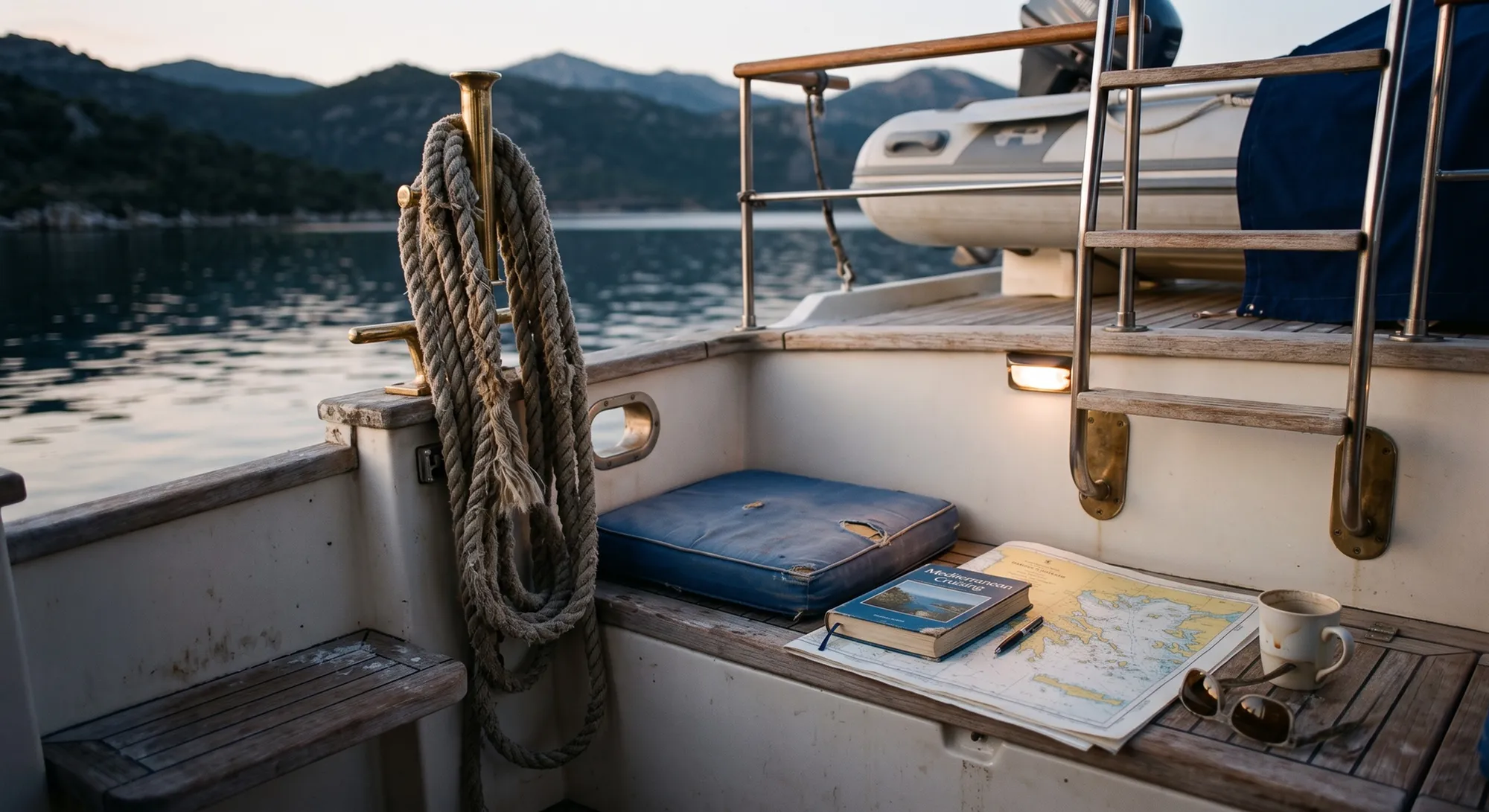
What replaces it is precision. A first yacht is often bought against a mental image — a size, a silhouette, a sense of what “arriving” is supposed to look like. A second yacht is bought against a season of lived detail: which deck actually got used, which cabin nobody wanted, how many crew were needed to run the boat comfortably versus how many were simply carried out of habit. Designers who work with repeat clients describe the difference in the brief itself. The first commission tends to open with an image. The second opens with a floor plan already half-drawn in the owner’s head, built from a year of paying attention to their own habits.
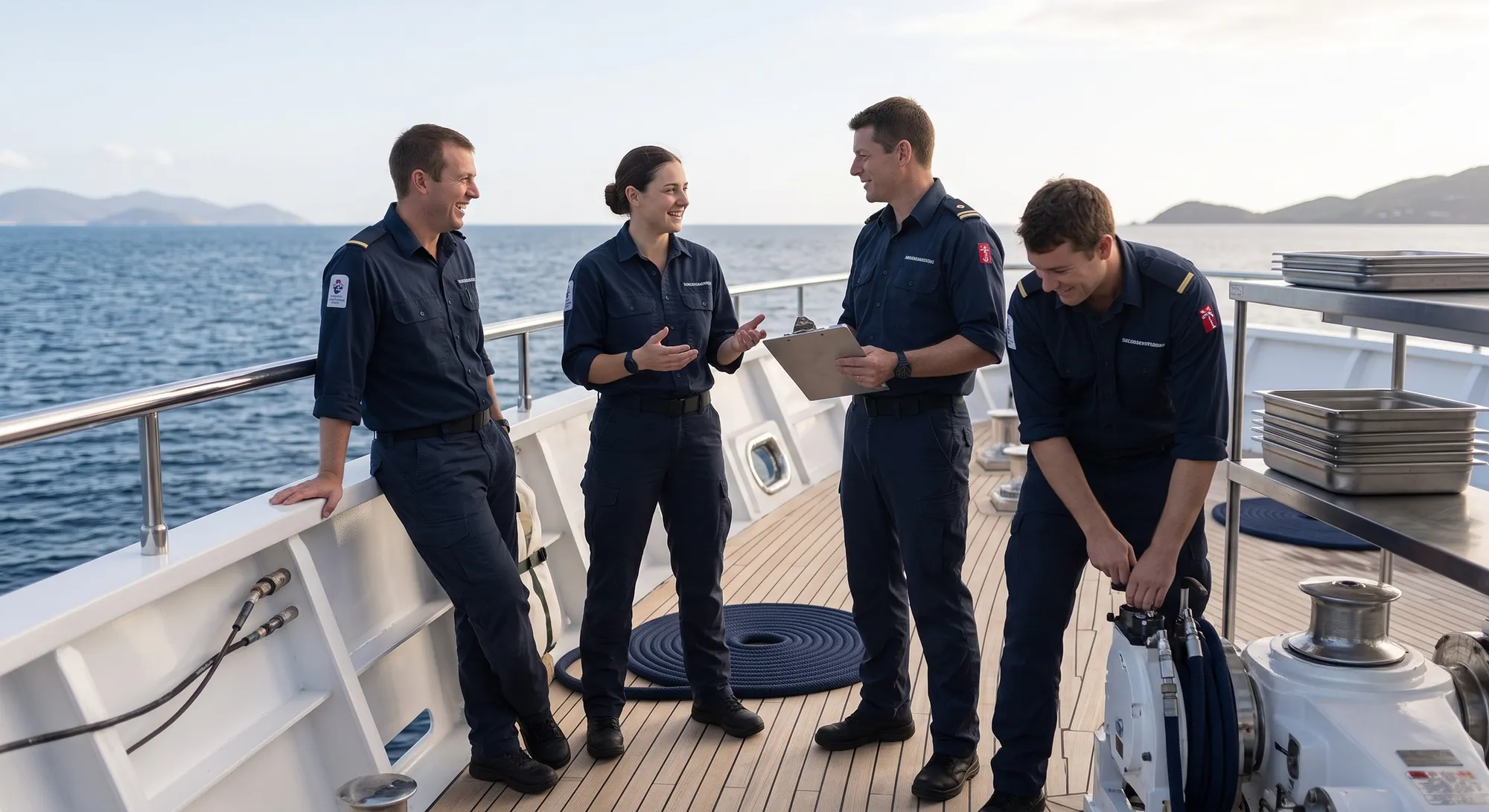
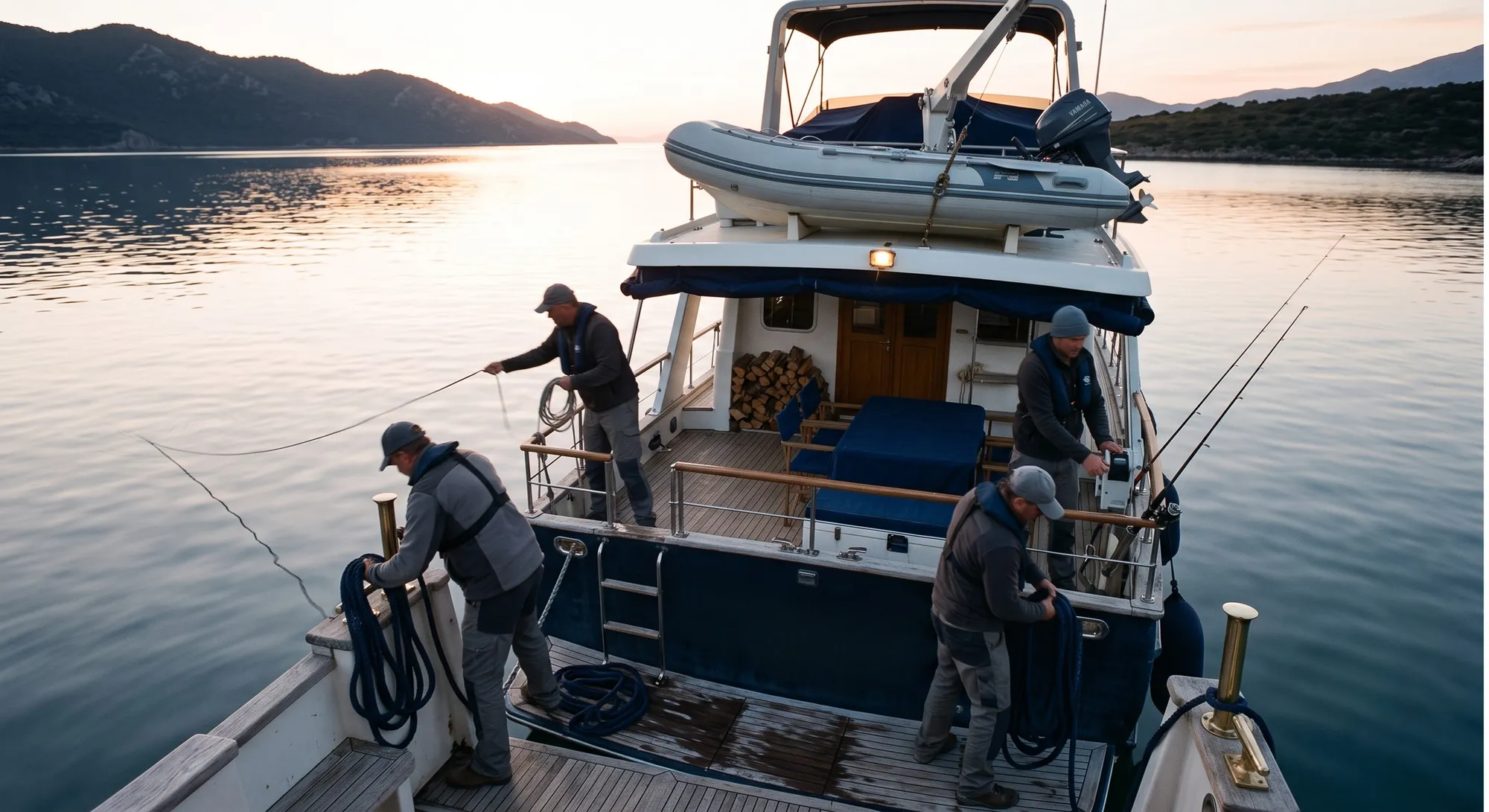
Crew is where the shift is often sharpest. Owners moving into a second or smaller yacht frequently cite crew dynamics — not cost — as the deciding factor. Running a large vessel means running a small organisation: departments, hierarchies, turnover, the quiet management overhead of keeping ten or twenty people content in a confined environment for months at a time. Several experienced owners interviewed by Boat International, on trading down after decades on megayachts, pointed to the same relief: fewer people on board meant fewer things to manage, and more of the boat felt like theirs again rather than a fully staffed operation they happened to be a guest on.
There is also a quieter, more psychological shift industry researchers have started to name directly. Fraser’s Global Superyacht Market 2026 report describes a change in how owners talk about their vessels — less as a symbol to be seen from the outside, more as what one Fraser executive called a private sanctuary, judged by how well it supports the owner’s actual life rather than how it photographs at anchor. That reframing tends to arrive precisely at the point of the second purchase, once the performance of ownership has already been proven and doesn’t need repeating.
None of this means repeat buyers spend less — total transaction value in the pre-owned superyacht market rose sharply through 2025, even as unit volumes barely moved, which suggests the money is following fewer, more deliberate purchases rather than more of them. What changes is where the money goes. First-time owners tend to spend on scale: length, decks, headline features. Repeat owners spend on fit: joinery that answers exactly how they move through a room, technical systems chosen because a crew explained what actually needs maintaining, materials selected because the owner has now spent enough seasons in salt air to know which finishes age well and which don’t. It is a shift from buying an idea of yachting to specifying a life already understood in detail — which, not coincidentally, is closer to how a studio like Maison Azure prefers to work in the first place: starting from how a space will actually be lived in, not from how it should look in a brochure.
The pattern, in the end, is less about downsizing and more about a kind of correction. The first yacht answers a question the owner hadn’t fully asked yet. The second one answers the question properly — usually with a shorter, more specific answer than anyone expected going in.